Creative Economies Forum 2026
How to prepare for the next decade? The Future of Creative Entrepreneurship
The Creative Economies Forum 2026 at Zurich University of the Arts brings together creative entrepreneurs, funders, researchers, and innovators from across Switzerland and beyond for a one-day exchange.
Drawing on 10 years of experience from the Z-Kubator in supporting entrepreneurial careers in the arts and design, the goal of the forum is to explore emerging capacities, new business models, and forward-looking strategies to design the next decade.
Connect with peers, expand your network, and contribute from your experience. Join the conversation and help shape “what’s next” for the creative economies.
Programme
Friday, 11 September 2026, 9am - 5pm, Toni Areal
Room: Hörsaal 1, free entry
09:00 - 09:30 | Arrival Coffee & Check-in
09:30 - 09:40 | Official Welcome | Room: Hörsaal 1
Prof. Christoph Weckerle, Director Zurich Centre for Creative Economies
09:40 - 09:50 | Programme Overview
Yves Burgener, Programme Manager Z-Kubator
09:50 - 10:00 | Creative Economies Data Update
Roman Page, Research Fellow, ZCCE
10:00 - 10:50 | Keynote #1: Re/Wire:
Why the Creative Industries and the Cultural Sector need to be linked with the Economy and Society
Dr. Stephan Sigrist, Founder and Head of W.I.R.E., Zurich
10:50 - 11:15 | Coffee break
11:15 - 12:00 | Keynote #2: MISSION POSSIBLE - Between Cultural Mandate and Market Success
Reta Guetg, Festival Director & Co-Owner of Zurich Film Festival (ZFF)
12:00 - 13:00 | Lunch Break
13:00 - 13:30 | Keynote #3: The Curiosity Juncture:
Harnessing Intersecting Connections for Distinctive Creativity
Richie Manu, Programme Director, Creative Enterprise, Central Saint Martins, London
13:30 - 13:35 | Intro Z-Kubator Inputs
Philipp Kotsopoulos, Head of Z-Kubator
13:35 - 13:45 | The first 10 Years: Entrepreneurship, Careers and Innovation at the Intersection of Art, Design and Business 2016 - 2026
Claudio Bucher, Research Fellow, ZCCE & Z-Kubator
13:45 - 14:15 | Pitch Session & Panel
Participants of the Z-Kubator’s incubator programme "What’s next_Project" present their projects
Kymu by Stepan Vedunov & Elia Salerno
Touriski by Anja Fritschi & Tara Jenkins
Digital Organ Works Catalogue by Nina Roth
Reiz Jewelry by Anja Hügli
Staubsauger by Nathanael Boell
Host: Yves Burgener
14:15 - 14:25 | Reflections & Learnings from 10 Years of Z-Kubator
Itay Blaish, Designer & Curator, Z-Kubator
14:25 - 15:00 | Coffee Break
15:00 - 16:00 | Workshop Sessions | Room change
_Session #1, Room 4.T33: In-Depth Panel Session
Hosted by Dr. Stephan Sigrist, W.I.R.E., Zurich
_Session #2, Room 4.T09: MISSION POSSIBLE - Bridging Cultural Purpose and Entrepreneurship (ZFF)
Hosted by Reta Guetg, Zurich Film Festival (ZFF)
_Session #3, Room 4.T37: Exploring the Curiosity Bandwidth
Hosted by Richie Manu, Central Saint Martins, London
_Session #4, Room 4.T06: ZHdK Connect: Your Project - Our Talents! Explore this new skill matching platform.
Hosted by Dr. Marc Burkhalter, Co-Founder of scrambl; Dr. Katrin Stowasser, Head of Transfer, ZCCE
16:00 - 16:10 | Room change | Hörsaal 1
16:10 - 16:30 | Wrap up and takeaways
Prof. Dr. Simon Grand, Permanent Research Fellow, ZCCE, and Associate Professor of Strategic Management and Management Innovation, Swiss Institute of Small Business and Entrepreneurship, University of St. Gallen HSG
16.30 - 16.40 | Closing remarks
Prof. Christoph Weckerle, Director Zurich Centre for Creative Economies
16:40 - 19:00 | Apéro
Organisation: Philipp Kotsopoulos, Yves Burgener and Dr. Katrin Stowasser
Speaker
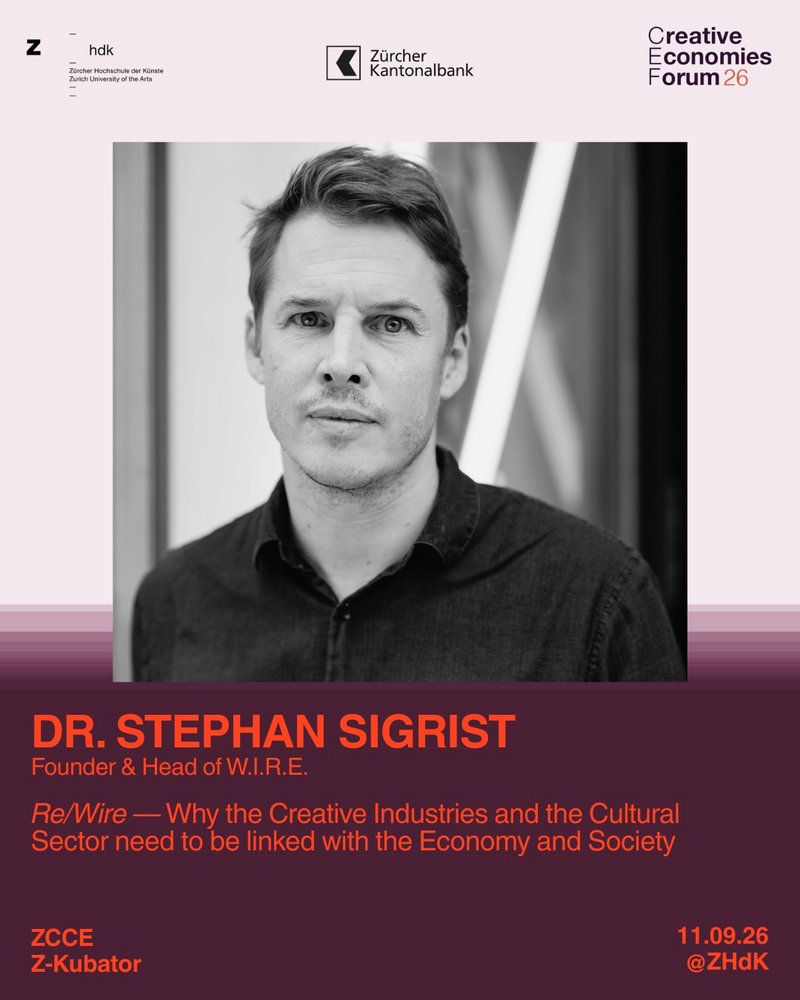
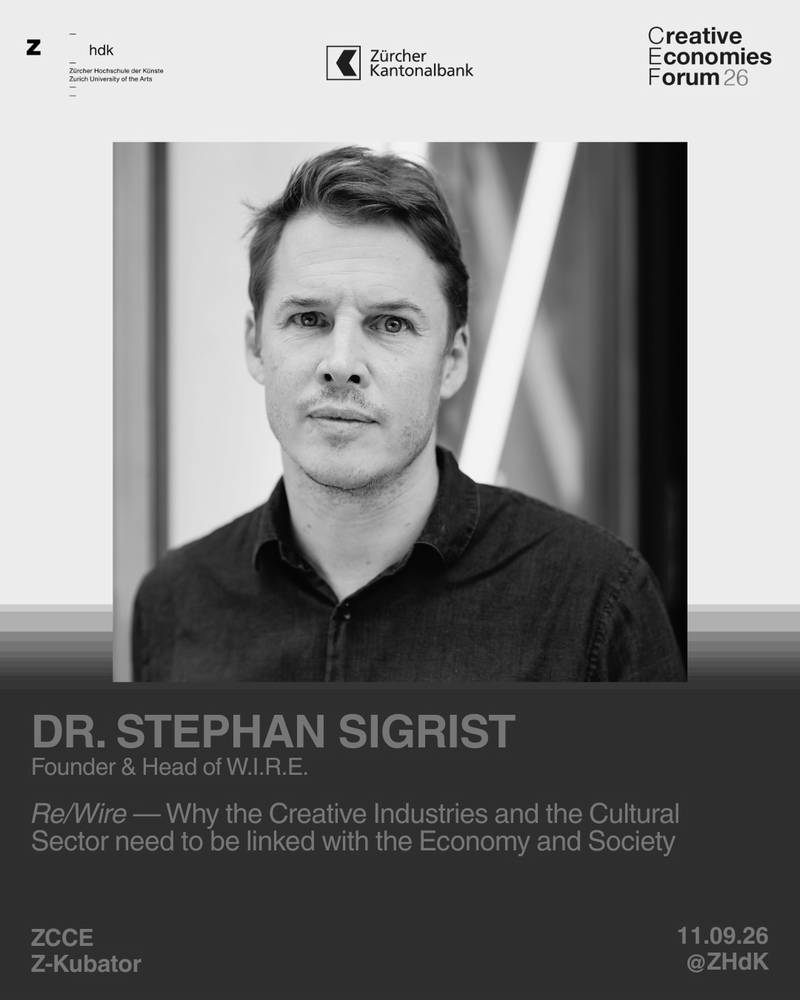
Dr. Stephan Sigrist (W.I.R.E., Zurich)
Dr. Stephan Sigrist (Dr. sc. ETH Zurich) is Founder & Head of W.I.R.E., an independent think tank connecting business, science, and society. An interdisciplinary strategist and widely sought-after keynote speaker, they analyse emerging trends and technologies and support decision-makers in developing future-oriented strategies—linking transformation across economy, culture, and society.
Talk at CEF26: Re/Wire — Why the Creative Industries and the Cultural Sector need to be linked with the Economy and Society
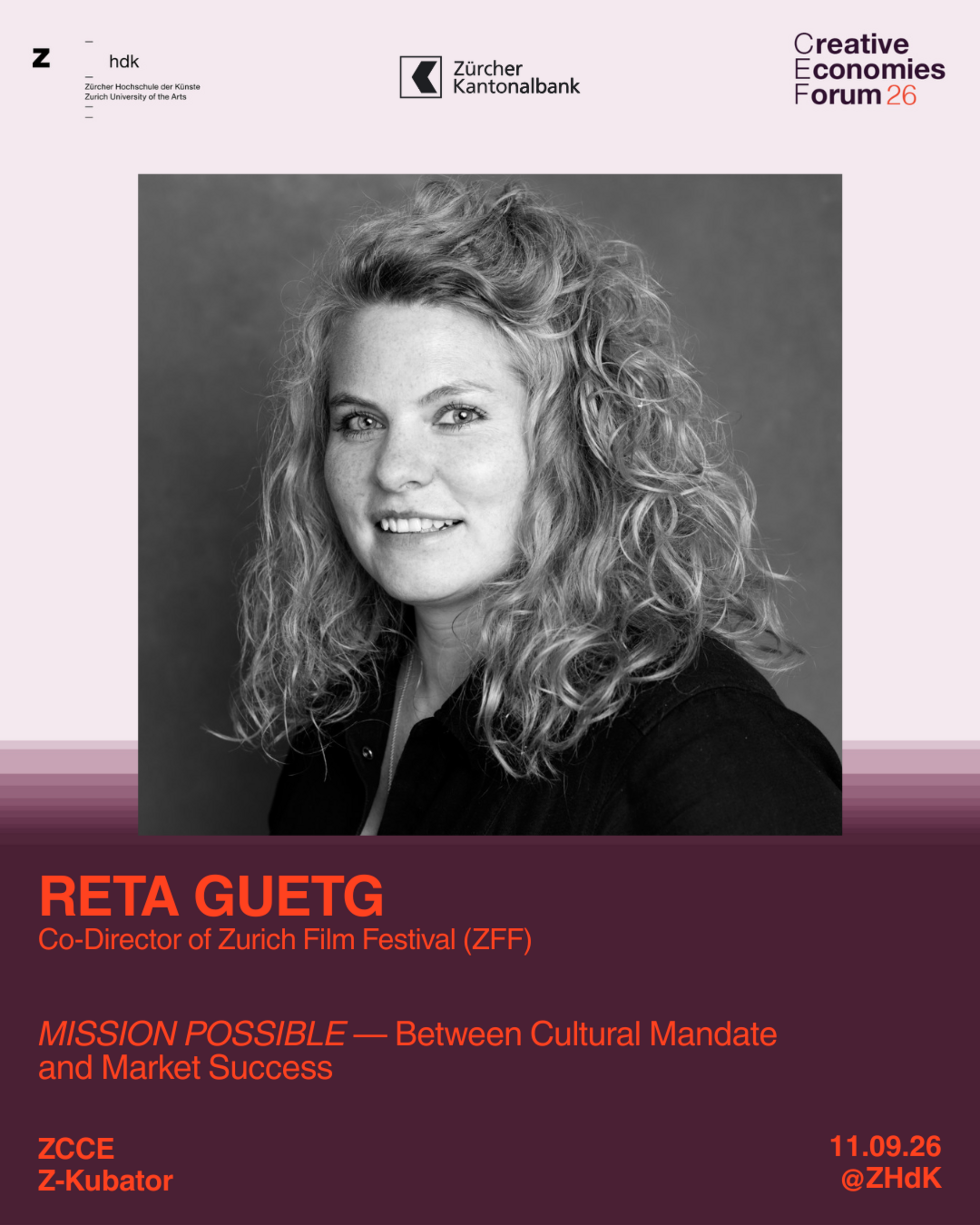
Reta Guetg, (ZFF)
Reta Guetg is the Festival Director and Co-Owner of the ZFF. In this role, she is responsible for all artistic matters, including the programme, industr, guests and public relations. Guetg has an academic background in film studies and communication; she is a co-founder of the international short film festival shnit and has many years’ experience as a board member of various industry associations in the film and cinema sectors. She has played a key role in shaping the ZFF over the past 10 years
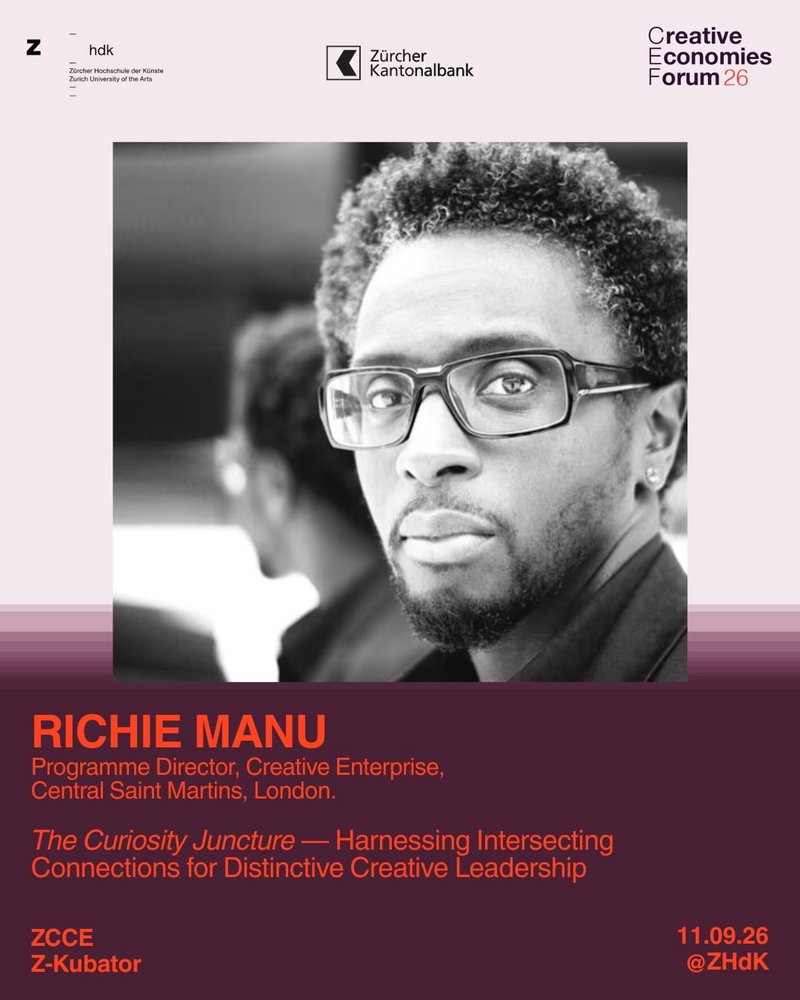
Richie Manu (Central Saint Martins, London)
Richie Manu is Programme Director, Creative Enterprise at Central Saint Martins (University of the Arts London)—working at the intersection of creative practice, entrepreneurship, and leadership development. A designer, brand developer, TEDx speaker, and author of the best-selling book YOU:Rebranded, they advise creatives, start-ups, and organisations on strategy, positioning, and growth.
Talk at CEF26: The Curiosity Juncture — Harnessing Intersecting Connections for Distinctive Creative Leadership
Summary
How to prepare for the next decade? The Future of Creative Entrepreneurship
The Creative Economies Forum 2026 marked 10 years of the Z-Kubator and placed Creative Entrepreneurship at the centre of this year’s programme. For the past ten years, the Z-Kubator has supported ZHdK students and alumni in developing artistic and creative ideas into independent projects, offerings and entrepreneurial ventures.
Against this backdrop, the Forum posed the overarching question: How to prepare for the next decade? Three keynotes and a series of workshops approached this question from different perspectives, while the closing wrap-up brought the various contributions together. The discussions centred on how we deal with growing complexity, how cultural organisations can remain able to act, and which capabilities people need as careers, technologies and societal developments become increasingly difficult to predict.
The following reflections provide a brief summary of the Forum’s content and discussions and document the perspectives presented during the event.
Three Keynotes for inspiration
Creating connections where silos have emerged
Dr Stephan Sigrist (Head of W.I.R.E.) described a world in which “entropy” is increasingly becoming the norm: more possibilities, more information and greater complexity, but also more uncertainty and an increasingly short-term outlook. While specialisation had strengthened the capabilities of business, science, politics, and arts and culture within their respective fields, it had also contributed to the emergence of silos.
As one possible role for the Creative Economies, he highlighted their ability to create connections between areas that often operate separately. Artistic processes could make abstract technological, economic or societal developments tangible and connect them to questions of quality of life, values and human needs.
In the context of artificial intelligence, particular emphasis was placed on the importance of real-world experience. Innovation, it was argued, does not emerge from existing data alone, but also when people move beyond established assumptions, experiment and bring different perspectives together. One possible role of the arts was seen in imagining ways of living and making them tangible before they become reality.
Purpose and entrepreneurial agency
Using the Zurich Film Festival as an example, Reta Guetg (Festival Director & Co-Owner, ZFF) showed how cultural ambition and creative entrepreneurship can work together. The Festival combines international visibility with the promotion of emerging talent, Swiss filmmaking and networking between talent, industry professionals, partners and audiences.
A central topic was the shift of the Festival to an owner-led structure. According to the keynote, its cultural core had not changed, but its ability to act had: decision-making processes had become shorter, the organisation more agile, partnerships more flexible, and there was greater willingness to take risks.
The example was used to support the argument that entrepreneurial independence in the cultural sector does not necessarily lead to greater commercialisation. Instead, it can create greater room for manoeuvre in pursuing an organisation’s cultural purpose. In this sense, Creative Entrepreneurship was discussed not simply as a commercial approach, but as a way of creating the organisational freedom needed to pursue a cultural purpose.
Curiosity and orientation
Richie Manu (Programme Director, Creative Enterprise, Central Saint Martins, London) placed curiosity at the centre of his contribution. As careers become increasingly non-linear, expertise alone is no longer enough. Next to analytical thinking (no. 1 core skill in 2025, WEF), openness, collaboration, lifelong learning and the ability to recognise connections between different fields of knowledge are becoming increasingly important.
The concept of “Curiosity Bandwidth” describes how interests can expand from one’s own field into adjacent areas and, eventually, into entirely new territory. It is precisely there that unexpected insights and new areas of activity may emerge.
Creativity was understood less as an isolated skill and more as a mindset. It requires spaces in which people can experiment, fail and try again.
This was complemented by the idea of “Creative Ignoring”. In a world of information overload, support does not simply mean providing more information. It can be equally important to reduce the noise, identify what is relevant and develop a sense of direction. Purpose can provide orientation without predetermining the path.
Creative Entrepreneurship in practice: Next Gen Z-Kubator
The Forum itself showed how diverse Creative Entrepreneurship can be in practice. Participants in the Z-Kubator programme “What’s next_Project” presented their projects: Kymu by Stepan Vedunov and Elia Salerno, Touriski by Anja Fritschi and Tara Jenkins, the Digital Organ Works Catalogue by Nina Roth, Reiz Jewelry by Anja Hügli, and Staubsauger by Nathanael Boell.
The Forum as well as the pitches were hosted by Yves Burgener (Z-Kubator).
The pitches by this Next Generation of Z-Kubator Fellows powerfully demonstrated the innovative potential and creative drive of emerging talent. They conveyed a tangible sense of confidence and hope for a liveable future – not least because the Creative Economies can offer concrete approaches and mindsets for addressing social and economic challenges with a forward-looking perspective.
Future Education: spaces rather than predetermined paths
Both Itay Blaish’s reflection on 10 years of the Z-Kubator (Designer & Curator, Z-Kubator) and Simon Grand’s closing wrap-up addressed what these developments and challenges – particularly the growing diversity of career paths – might mean for the future of education.
The focus was less on new programmes than on new principles and forms of access: creating greater scope to experiment and try things out, while also allowing people to fail, make mistakes and begin again. In this context, education was understood not only as the transmission of knowledge, but also as a collaborative process of developing and creating. Rather than relying exclusively on predetermined programmes and pathways, the discussion focused on open points of access and spaces in which people can find their own paths and explore new possibilities.
Intergenerational laboratories were mentioned as one possible format, bringing together the experience, perspectives and knowledge of different generations. This shifts the emphasis from “teaching” towards “devising” – towards collectively developing possibilities whose outcomes are not predetermined from the outset.
Which areas for action were discussed?
Seen through the lens of Creative Entrepreneurship, these discussions pointed to ways in which creative practices, organisational models and new forms of collaboration can generate both cultural and societal value.
Across the keynotes, workshops and wrap-up, a number of possible contributions of the Creative Economies emerged: open spaces for experimentation and learning; intergenerational and multidisciplinary formats; real-world encounters between different groups in society; new approaches to information, media and AI literacy as well as critical thinking; physical and sensory experiences beyond the screen; new narratives and visions of the future; and broader access to culture.
The discussions also explored how new educational approaches could strengthen critical thinking as well as media and AI literacy – including through physical, sensory and deliberately non-digital experiences. A stronger connection to nature was also mentioned as a possible counterbalance to an increasingly digitally mediated environment.
A recurring idea was that the Creative Economies can do more than produce content. They can also create situations in which people experiment, bring different perspectives together and establish new connections – thereby stimulating innovation and creating new forms of value.
“Trust” remains an open question
One question remained unresolved at the Forum: How can the Creative Economies contribute concretely to building trust in business and society?
The discussions touched on encounters, dialogue and time; new educational approaches; media and AI literacy; experiences beyond digital spaces; new narratives; and broader access to culture.
One possible conclusion was that the Creative Economies may not be able to create trust directly, but they can create conditions in which trust can emerge. Whether and how this can develop into lasting trust remained an open question for the Forum.
How to prepare for the next decade?
Across the keynotes, workshops and wrap-up, the focus was less on predicting the future than on considering how people and organisations can engage with a future that cannot be fully anticipated. Recurring themes included the limits of increasing specialisation, the importance of entrepreneurial agency, curiosity and orientation, and the question of what kinds of learning and experiential spaces people need in order to explore new possibilities and connect different fields of knowledge.
One way of distilling the recurring themes of the Forum is:
“Preparing for the next decade means staying curious, acting with purpose, knowing what to ignore – and creating the conditions in which new connections, ideas and trust can emerge.”
Thanks to all speakers and to the entire Z-Kubator and ZCCE team for their contributions, moderation and facilitation.
Photos in the following gallery by Gabriel Bienz. Many thanks for these impressions! More!
Foto Credits: Creative Economies Forum 2026 ©Gabriel Bienz @superglueclub.
Impressions
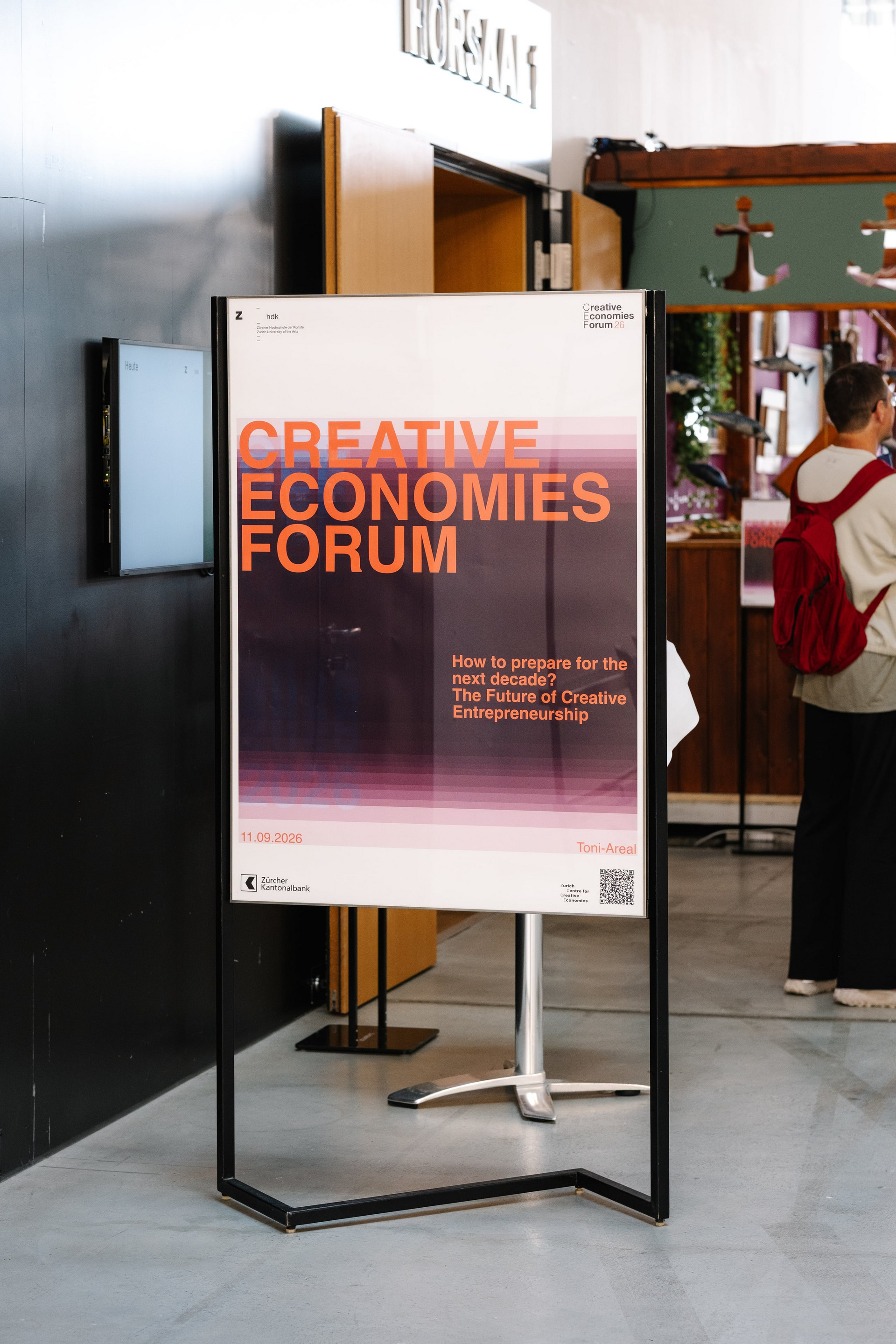
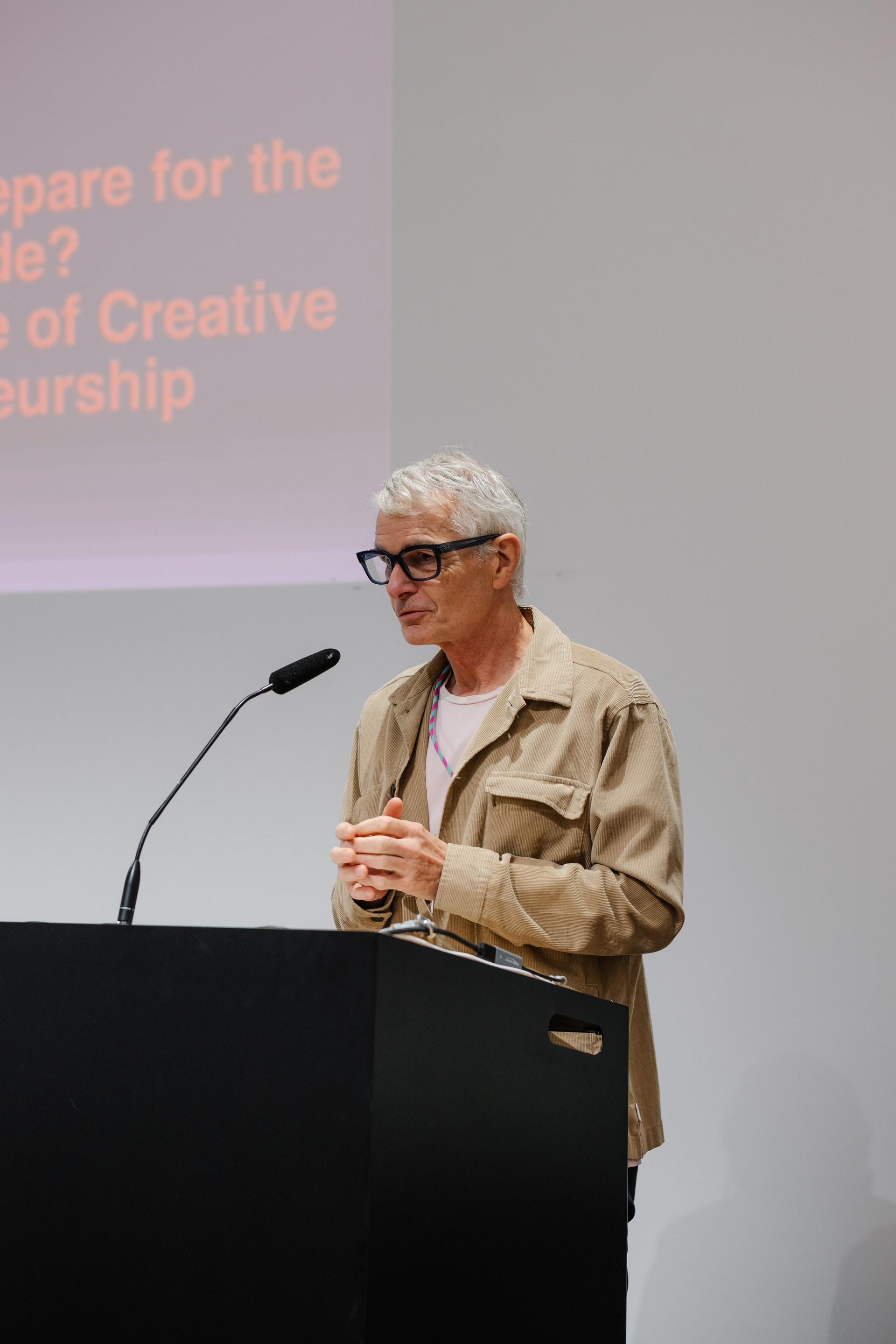
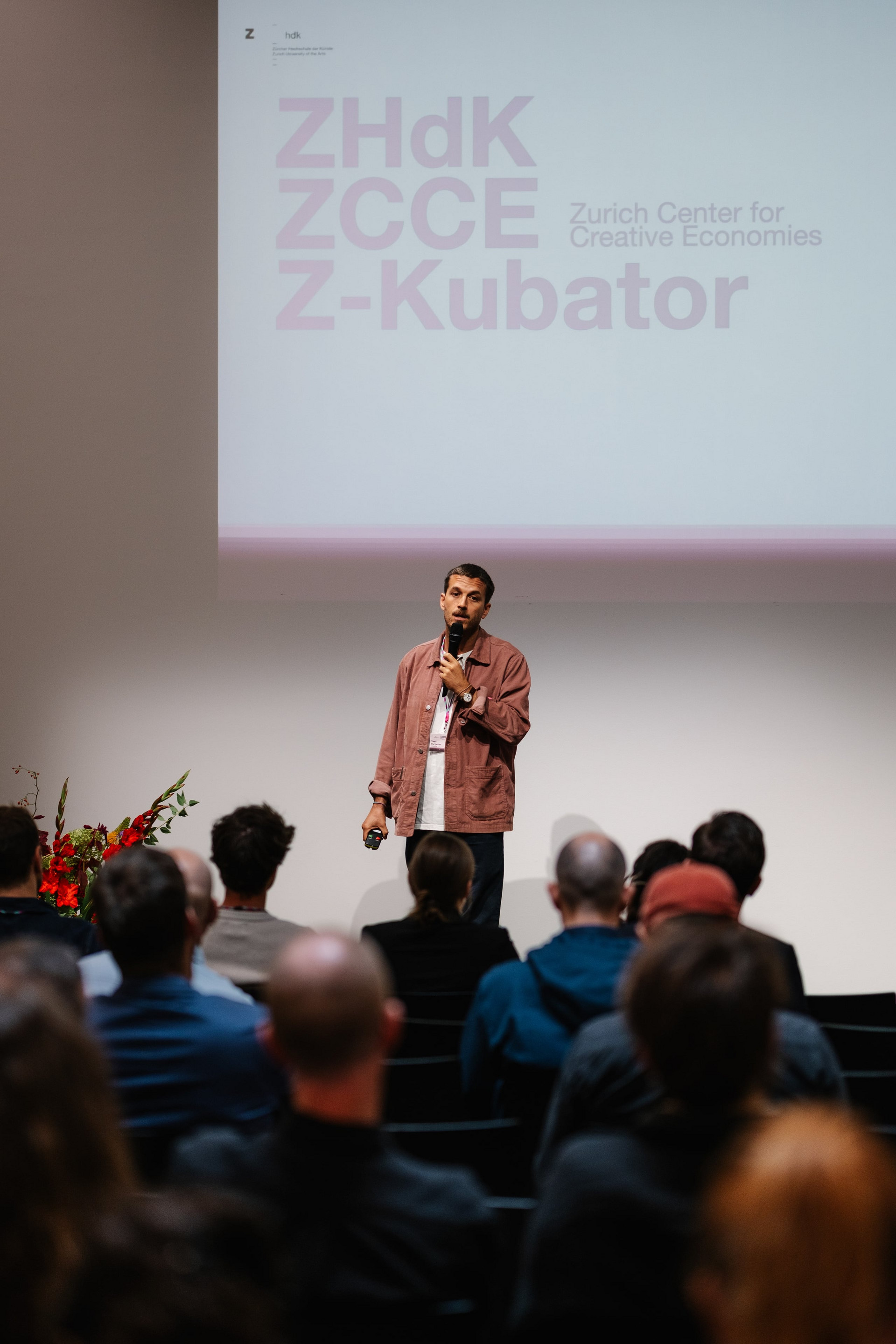
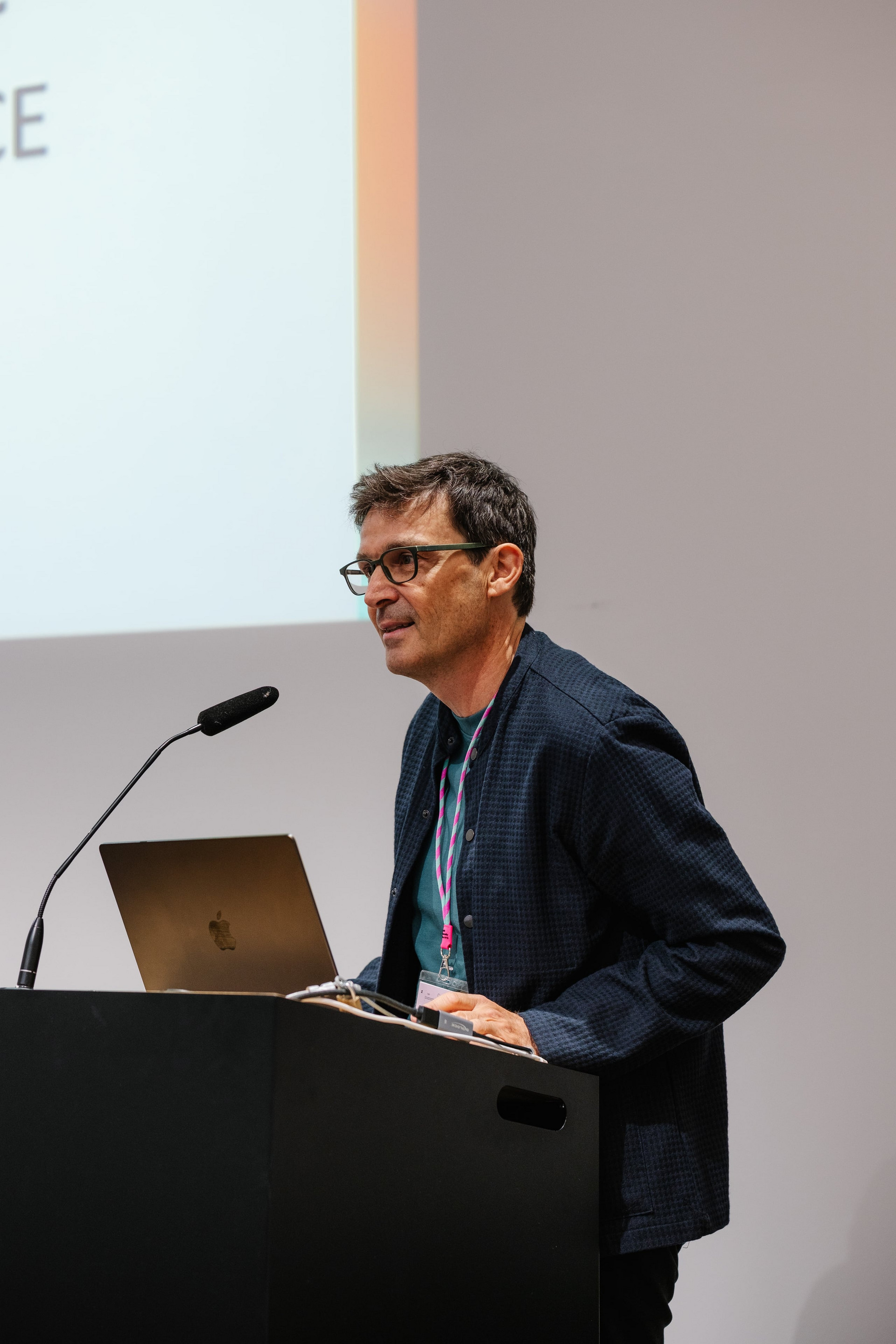
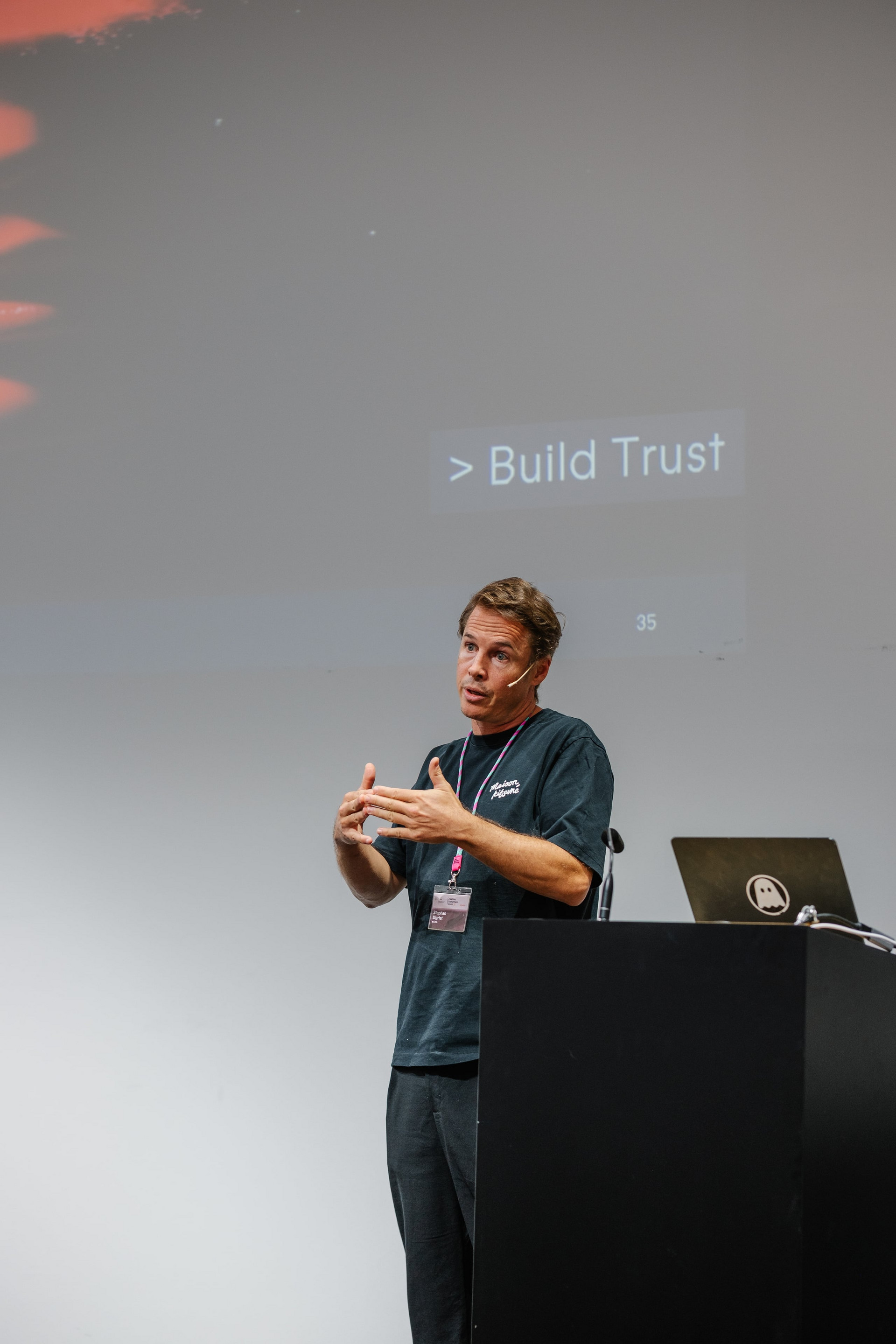
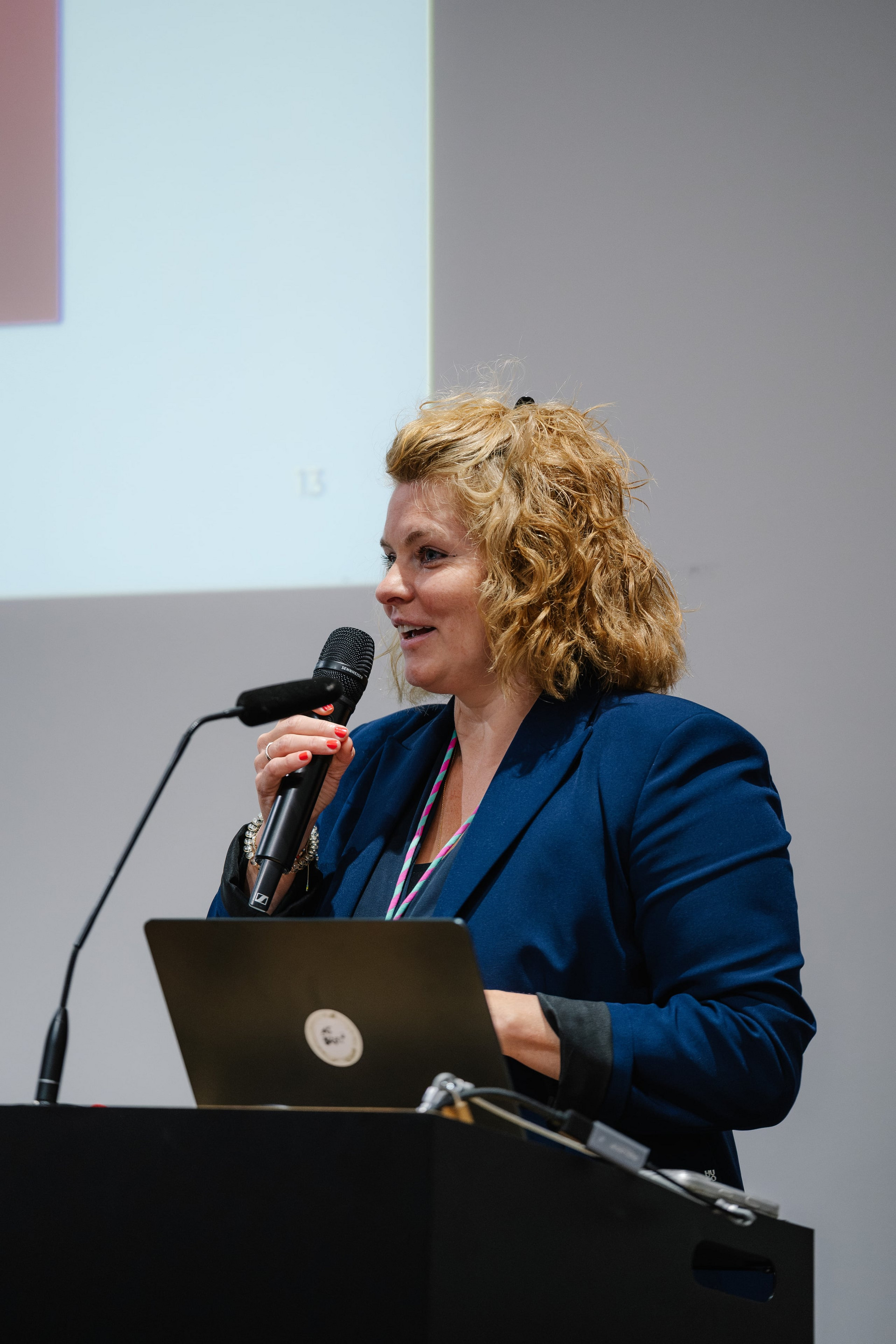
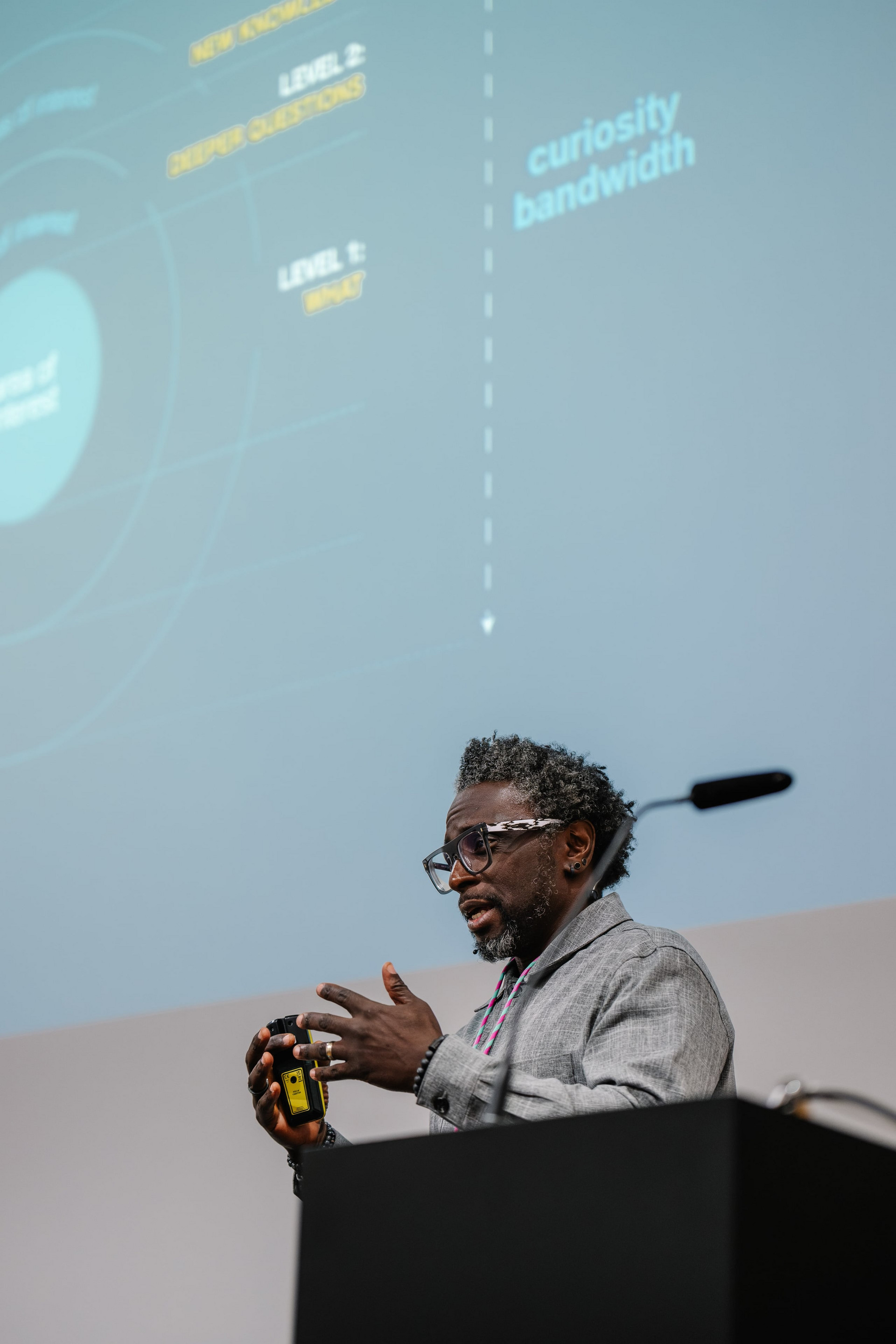
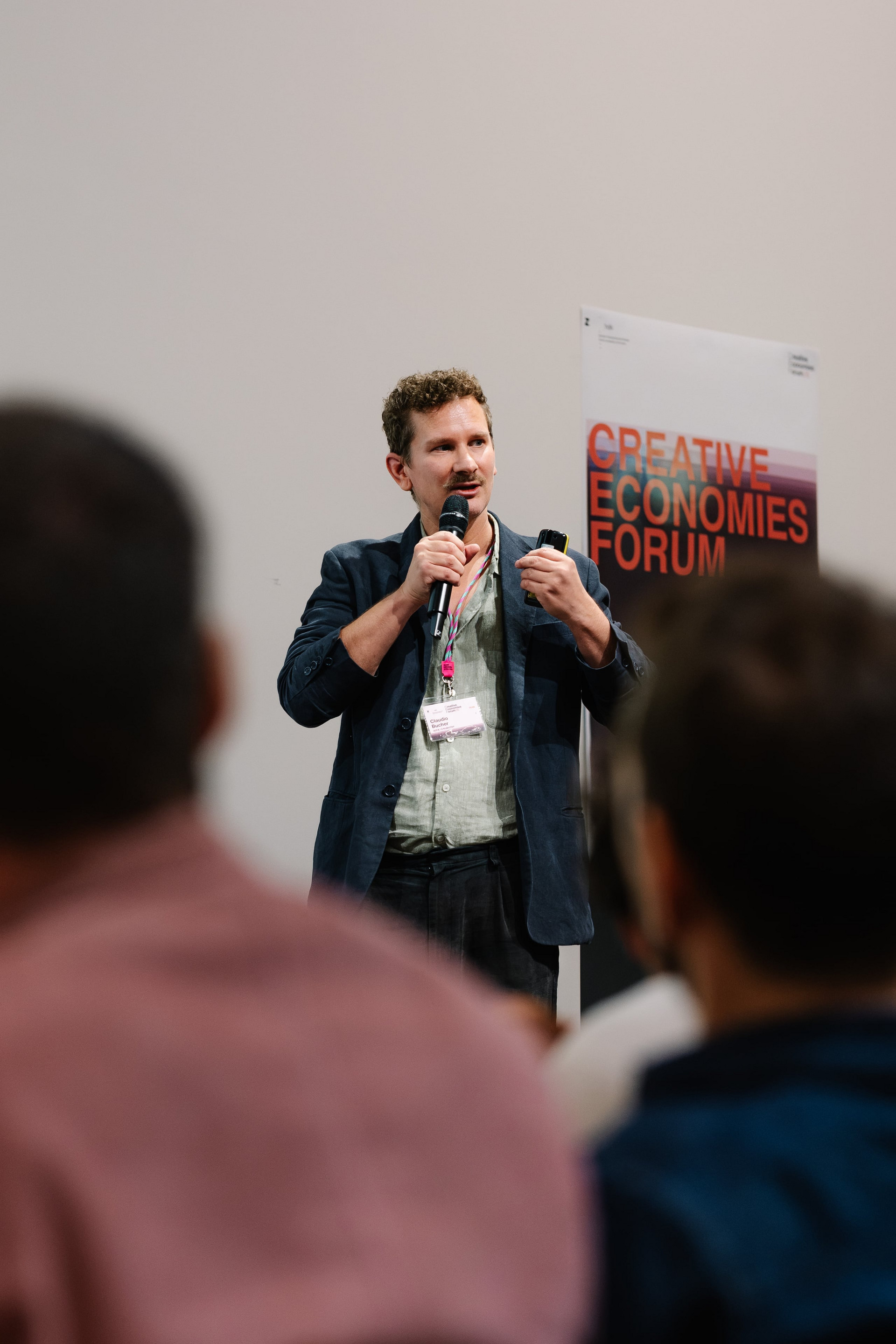
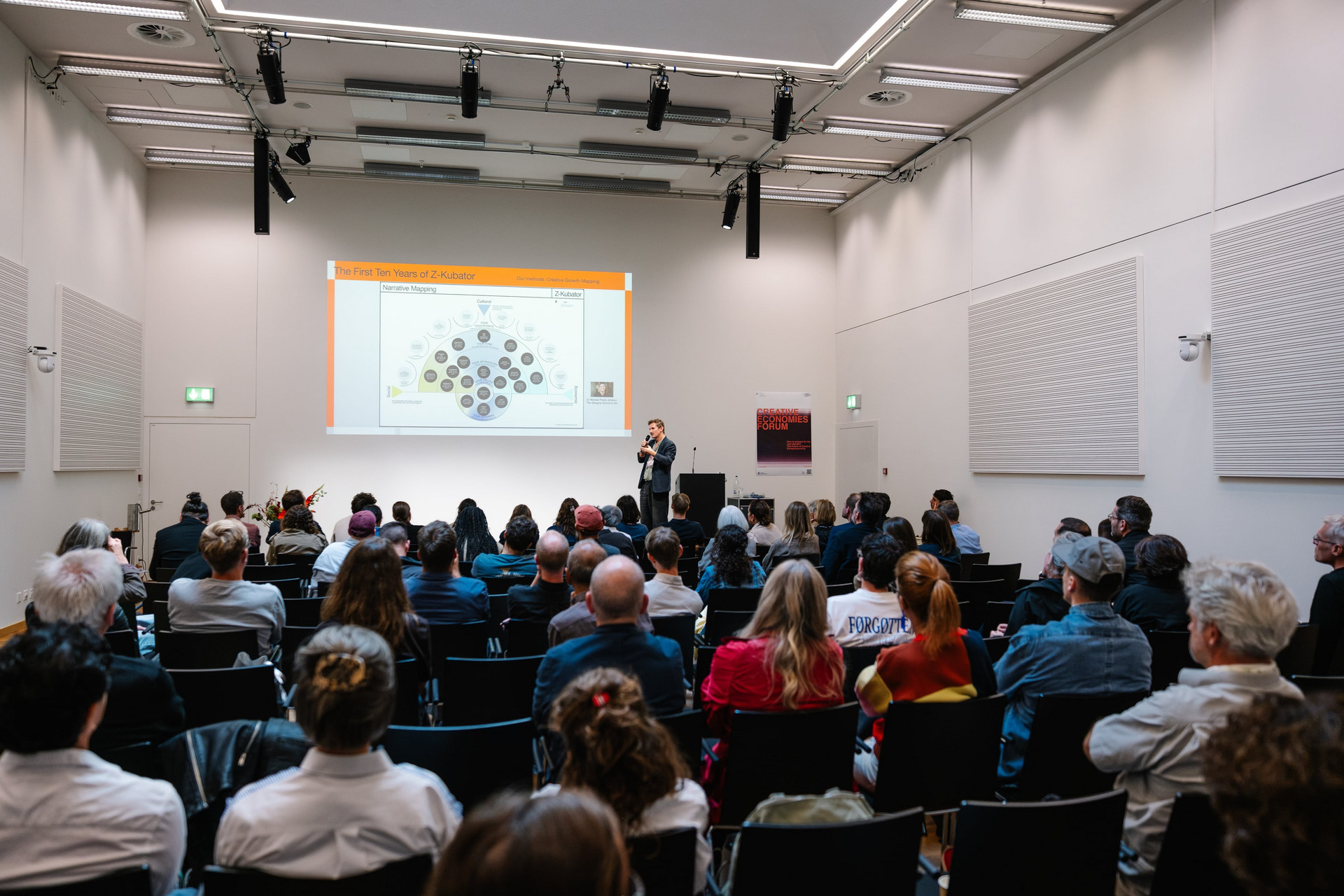
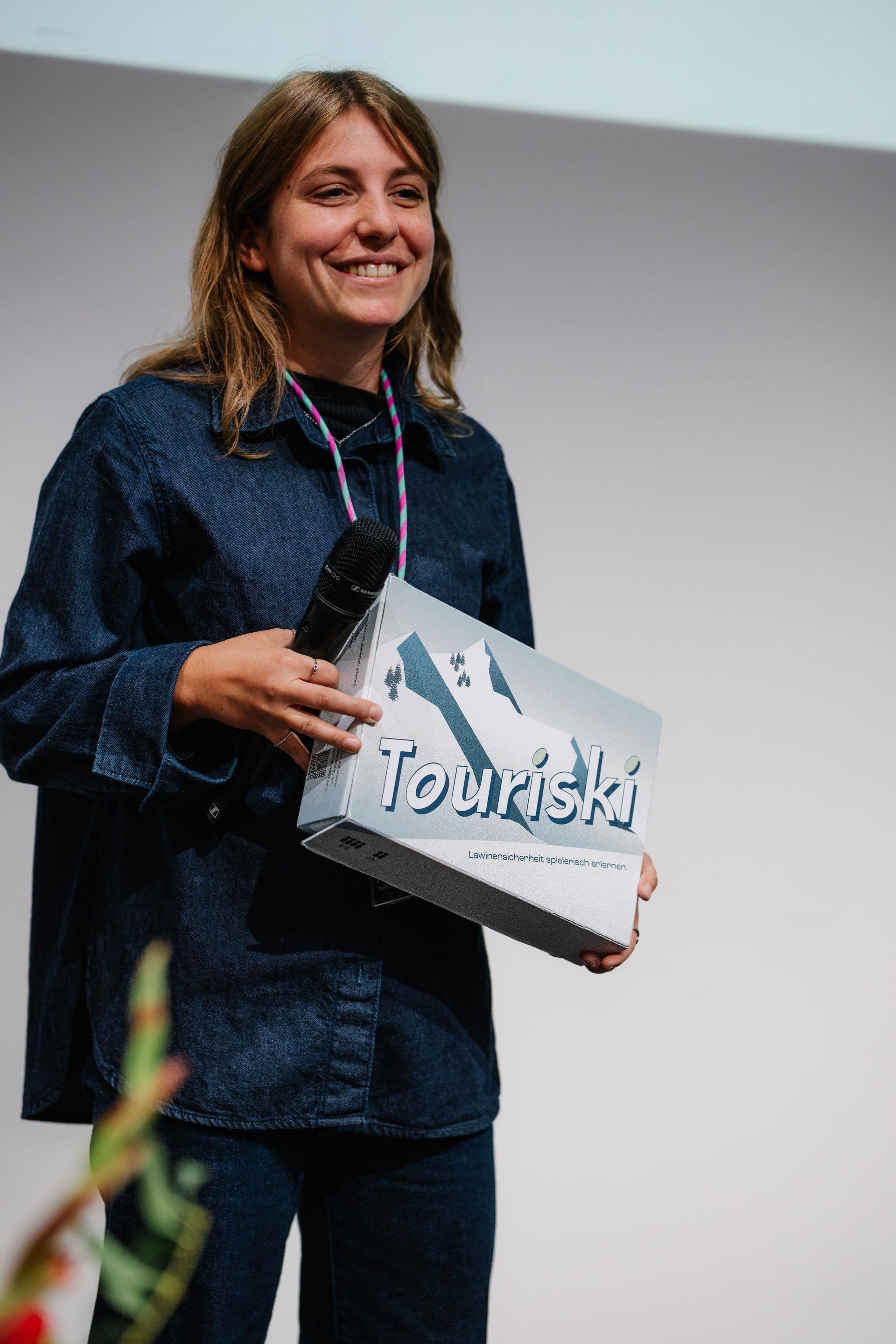
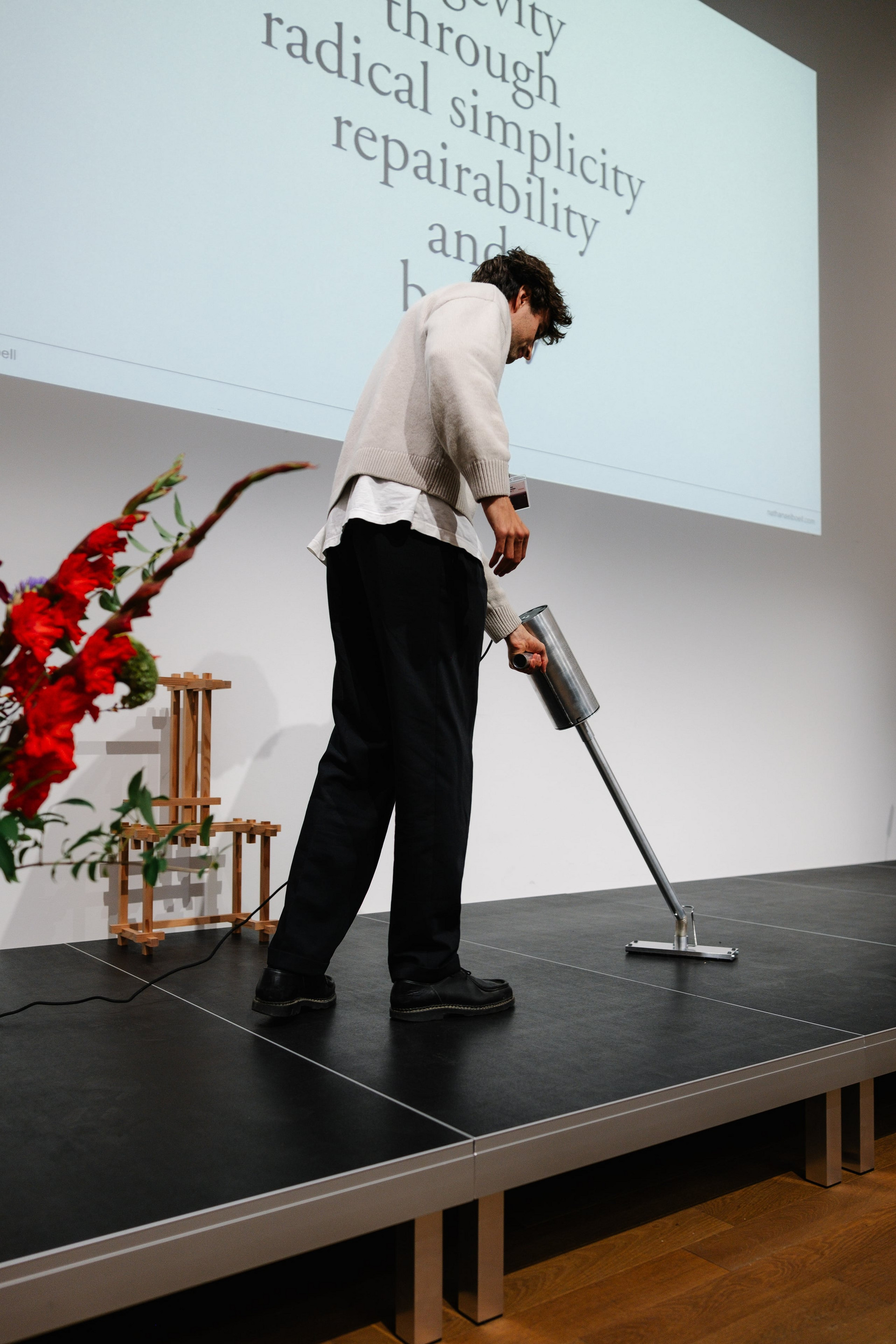
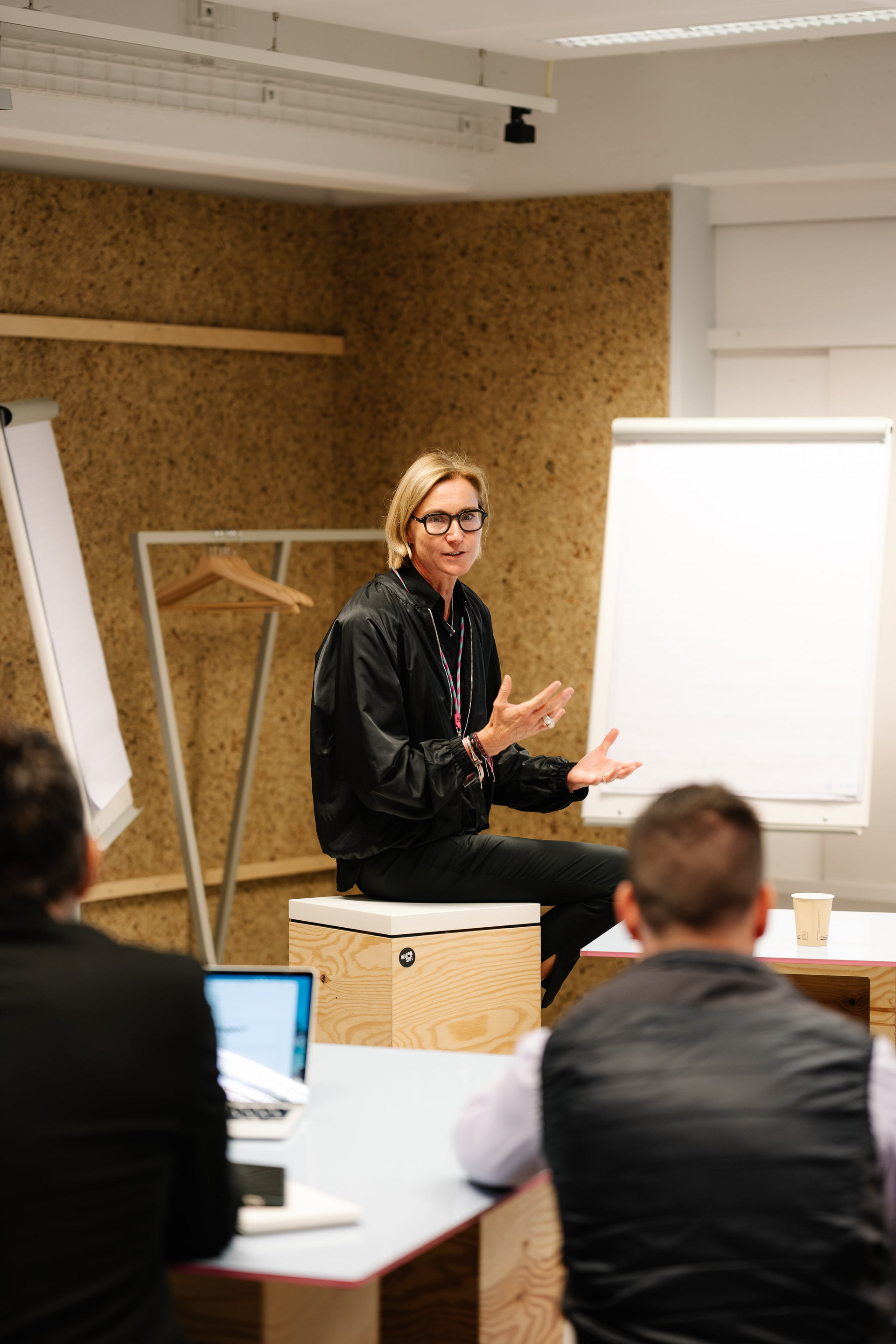
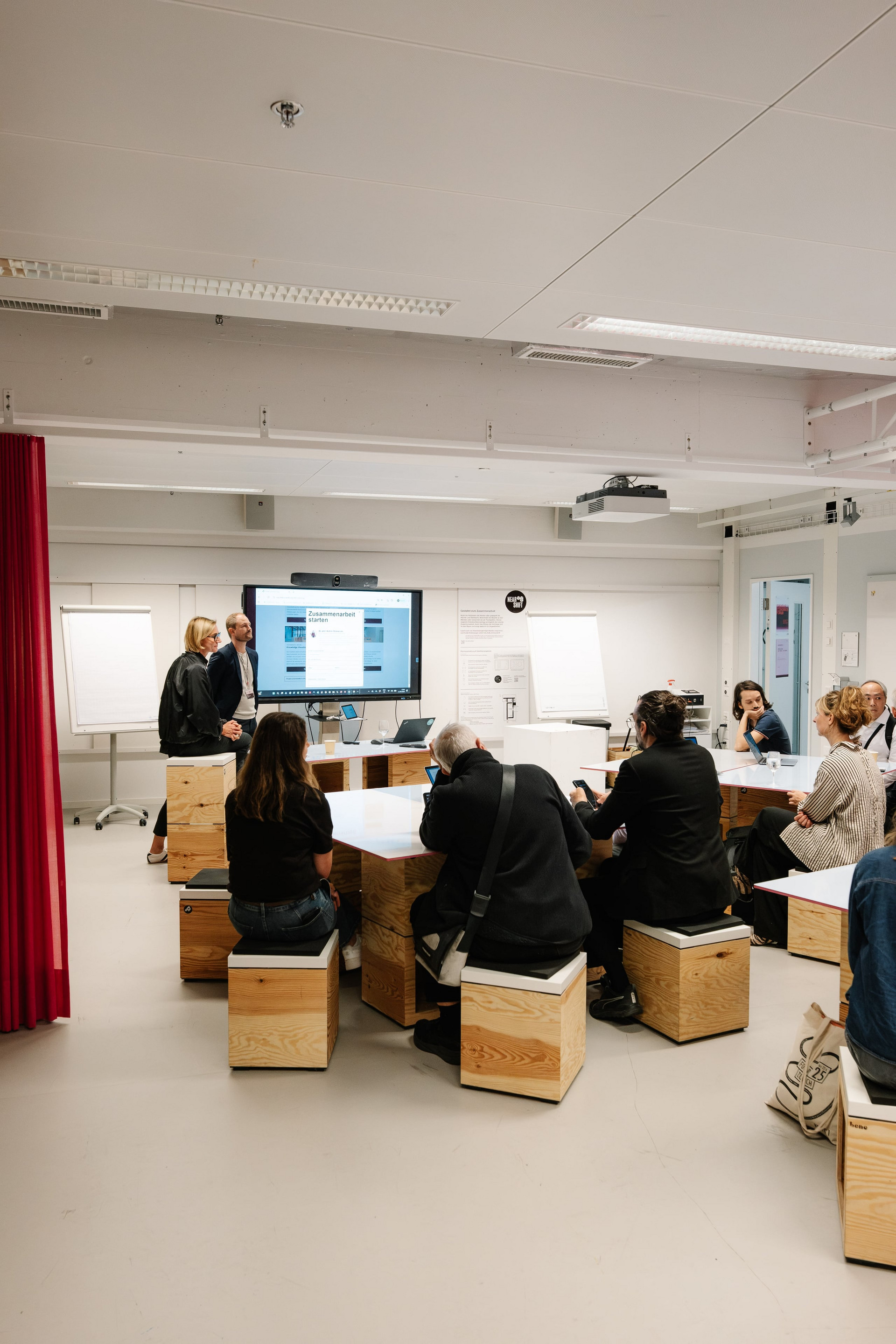
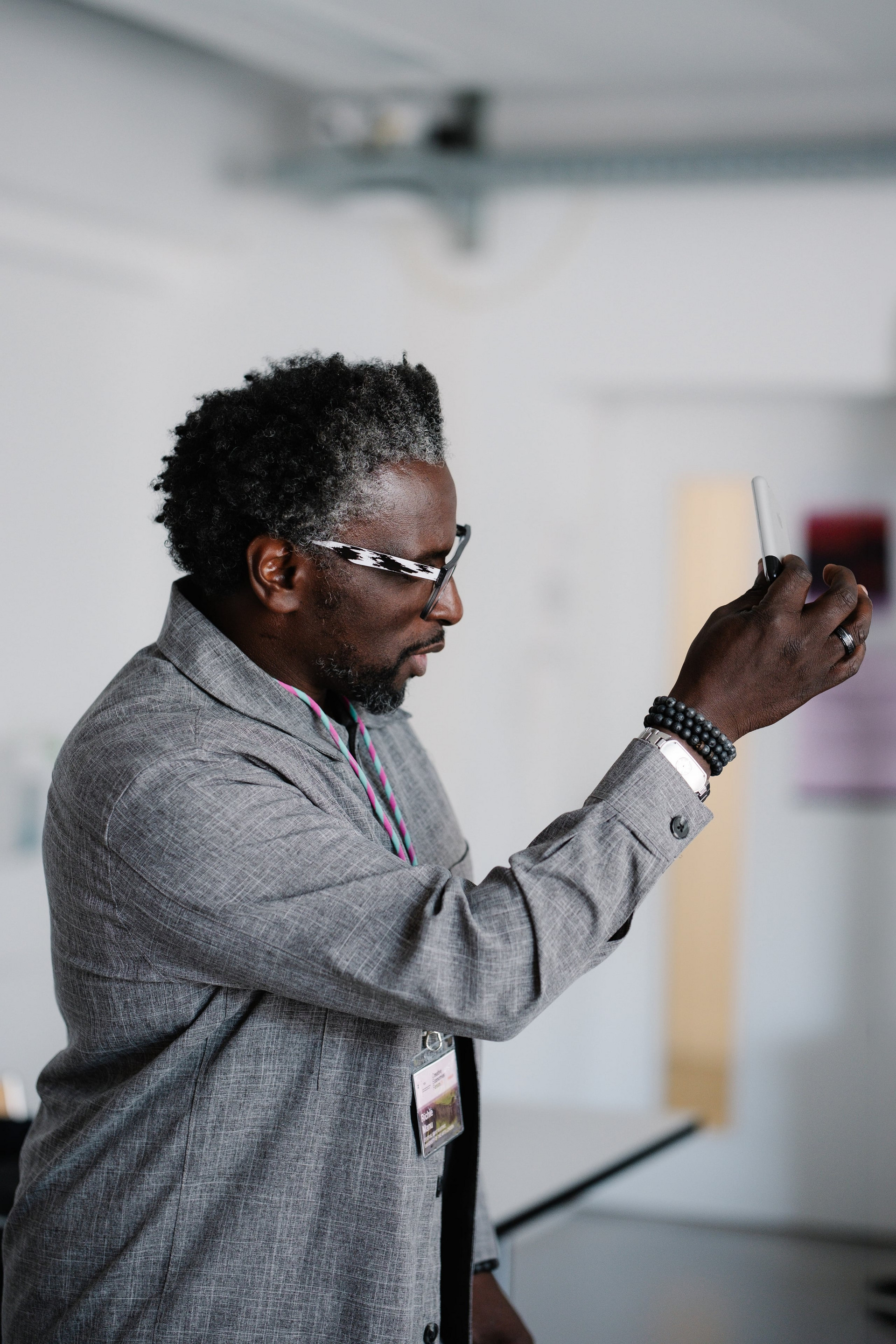
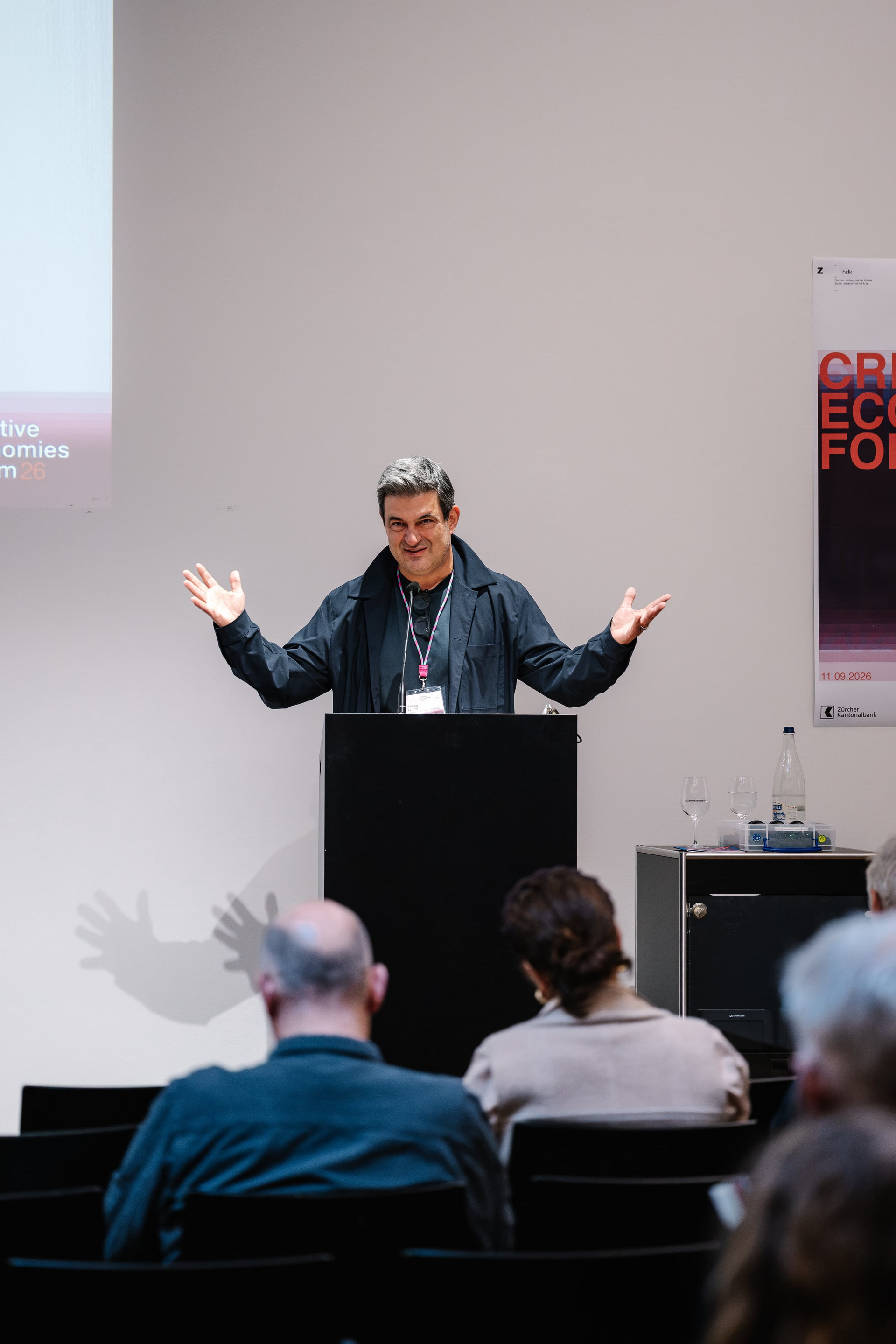
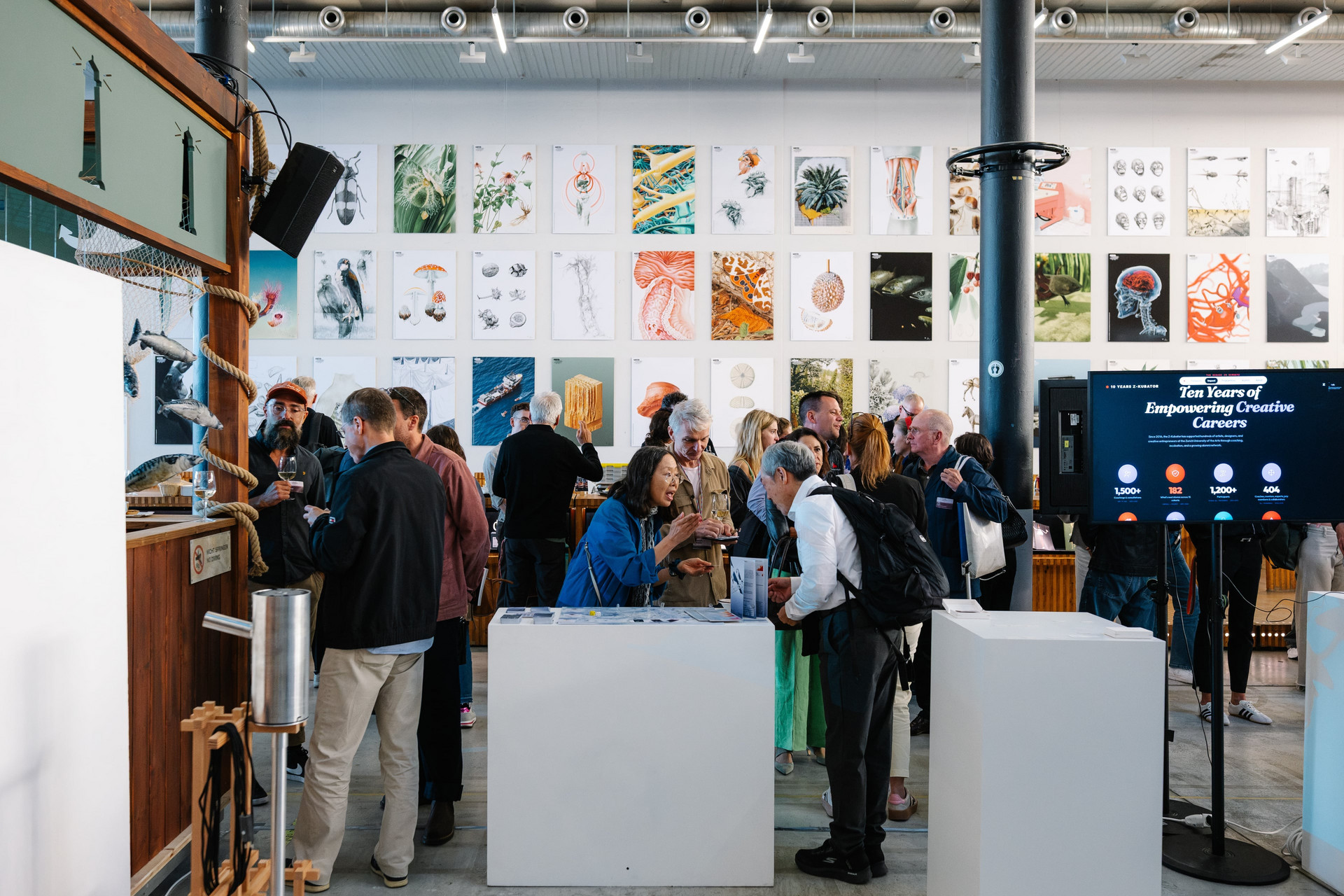
Photos in the gallery by Gabriel Bienz. Many thanks for these impressions!
Foto Credits: Creative Economies Forum 2026 ©Gabriel Bienz @superglueclub.