Global Design
This minor addresses the global entanglements of visual and material culture in the past and present. You explore key concepts from postcolonial studies and global design history, engage with museum collections, and collaborate with visiting lecturers in pluriversal design and exhibition practices.
Study level
BA and MA
Coursework
15 credits
Main teaching language
English
Start of studies
Every autumn semester
Number of study places
Limited
Course times
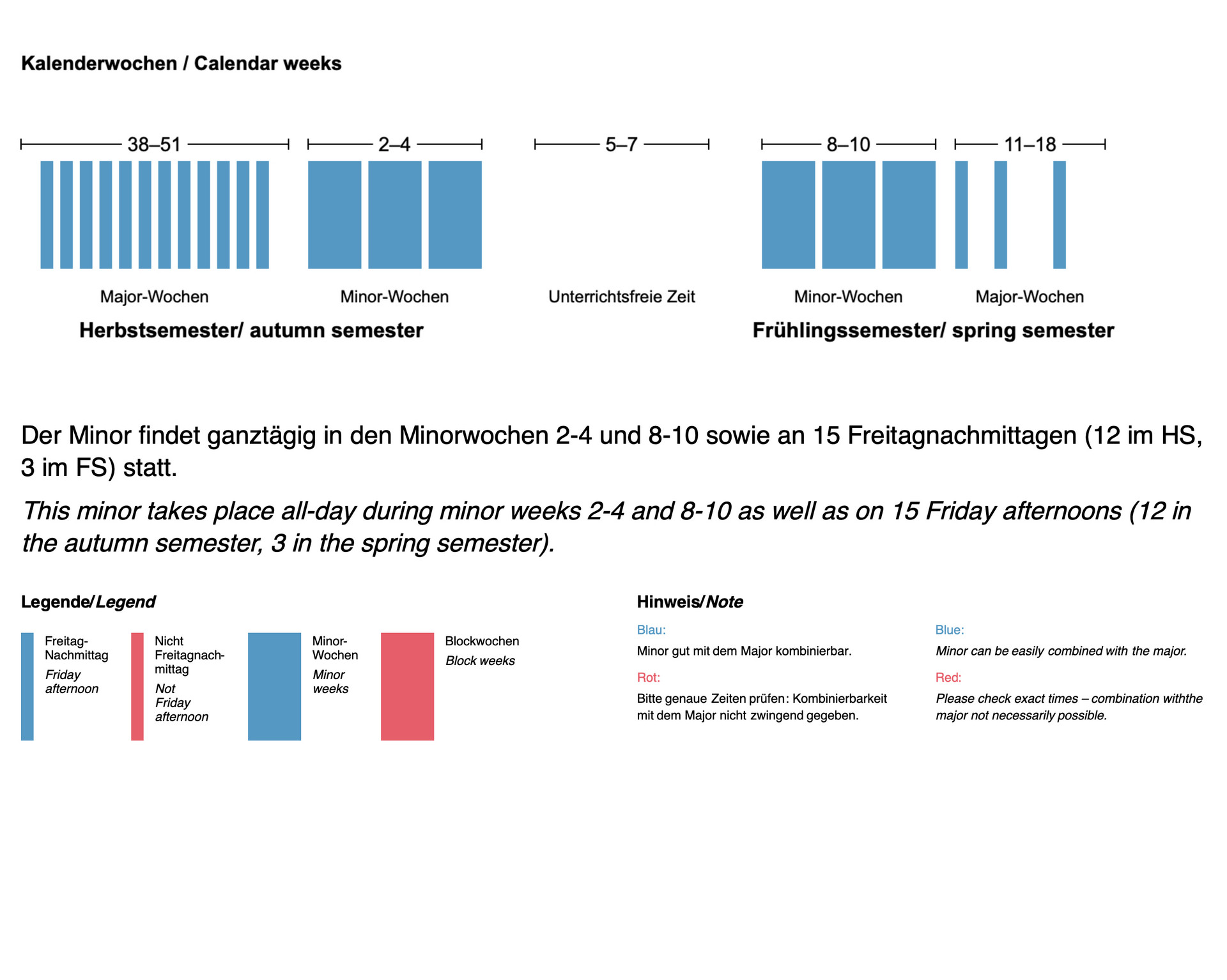
Minor weeks and Friday afternoons
Course
Course content.
In this minor, we explore the global entanglements of design. We ask which (post)colonial histories continue to shape material and visual culture, which forms and traditions of design have been excluded from the Western canon, and how pluriversal design practices can be imagined and realized.
At the beginning of the minor, you are introduced to the basic vocabulary of postcolonial theory and global design history. Together, we discuss key concepts such as “power/knowledge” and “modernity/coloniality”, “identity” and “tradition”, “cultural appropriation” and “othering”, “hybridization” and “transculturality”, as well as approaches to “respectful design” and “pluriversality”.
During the block weeks, you deepen your understanding of transcultural design histories and pluriversal design practices through concrete case studies. We work with selected objects from museum collections as starting points—objects whose form, function, materiality, or provenance reveal histories of global and colonial entanglement.
Tracing these multiple trajectories, we explore how new relations can be established in the present and examine alternative modes of cooperation, design, and curation. The course is complemented by contributions from international guest speakers from the fields of theory, design, art, and exhibition practice.
The minor is taught in English and is open to BA- and MA-students from all departments.
It is offered once a year.
Skills acquired in the course.
You will acquire a pluralistic perspective on design and design history and further develop your intercultural and transcultural skills. Through the shared reading and discussion of key texts, you will strengthen your ability to argue in a well-founded and differentiated manner. You will learn to analyse and critically reflect on historically specific contexts and to develop your own research questions, design approaches, and curatorial concepts that adequately address the complexity of the postcolonial global present.
Admissions requirements.
You don’t need any special qualifications other than openness, curiosity, and the willingness to embrace complexity and ambivalence.
Language skills required.
You need the following languages to take this minor:
– English: to be able to follow a discussion
– English: to actively participate in a verbal exchange
– English: to understand a text
– English: to write a text
Benefits of studying this minor.
You will work hands-on with museum collections, collaborate with international experts, learn about pluriversal design histories and practices, and gain insights into curatorial research.
→ More information about this minor (PDF download)
Time structure
People
Minor Coordination


Lecturers


Major-Minor Programme Model
At ZHdK, students choose a Major. In addition to this core subject, they can choose one or two Minors to deepen or expand their major skills and knowledge across various disciplines. This wide choice of courses is unique in Europe and enables students to develop and sharpen their individual profile.