Alternative Futures: Sustainability and Ecology in Practice
Do you want to do more than just think about the future – do you want to actively shape it? This interdisciplinary Minor offers space to develop alternative visions for a more liveable world – critically and creatively. At the intersection of sustainability and ecology, theory and practice, it opens up spaces for critical thinking, experimental work and collective imagination. Together, we will examine existing systems, develop new perspectives and test ideas through artistic and design-based processes.
Study level
BA and MA
Coursework
15 credits
Teaching language
German / English
Start of studies
Every autumn semester
Number of study places
Limited
Course times
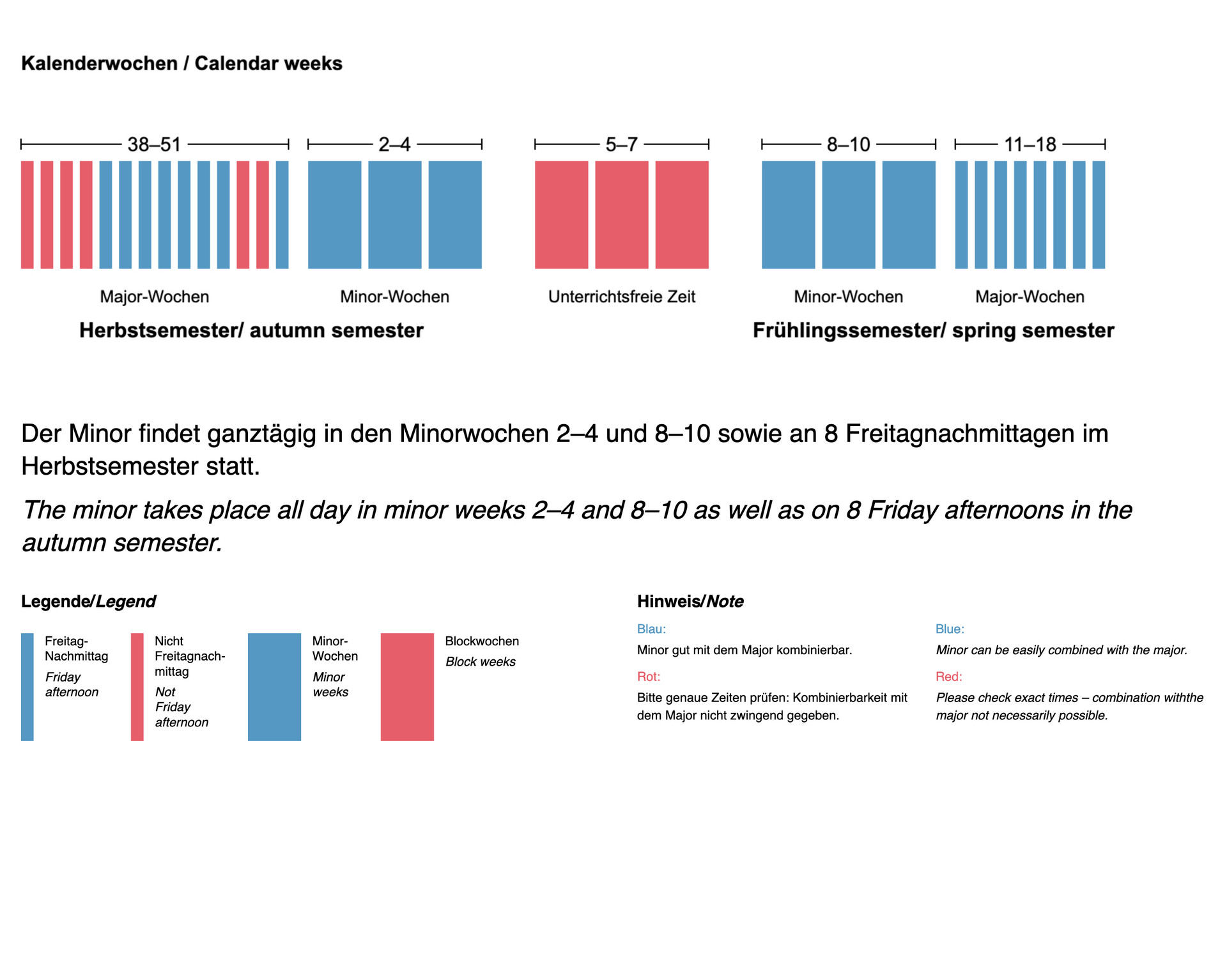
Minor weeks and Friday afternoons
Programme
Course content.
In the face of climate change, biodiversity loss, social inequalities and rapidly changing living conditions, this Minor understands creativity, curiosity and courage as key tools for change. While scientific approaches help to identify and analyse complex challenges, art and design can make them tangible, question dominant narratives, stimulate discussion and inspire action. With a strong commitment to a positive and sustainable transformation, students explore the multifaceted interactions between ecological, social and cultural systems in both local and global contexts, working with interdisciplinary and transcultural approaches.
Students engage with current ecological and societal issues from artistic and design perspectives. They learn to translate theories and methods from art, design and science into their own practice in experimental, speculative and critical ways. The focus lies on interdisciplinary, intercultural and site-specific approaches that enable nuanced, context-sensitive responses beyond universal solutions.
Through inputs, discussions, excursions and a one-week study trip, students combine critical reflection with artistic and design-based research, fieldwork and experimental practice. They investigate relationships between environment, culture, history and global exchange processes, and develop alternative visions, scenarios and proposals for liveable futures – both individually and collaboratively. The module is aimed at students who wish to explore new ways of thinking and acting and further develop their practice in relation to current environmental and societal questions.
Skills acquired in the course.
Graduates of this Minor are able to:
– understand sustainability and ecology in their multiple definitions from a holistic, systems-based perspective;
– reflect on ecological and social phenomena through artistic or design approaches in relation to cultural contexts and integrate them into their own practice;
– strengthen critical and innovative thinking and apply it purposefully in specific contexts;
– position themselves, based on their acquired knowledge, within diverse professional and occupational fields.
Admissions requirements.
This Minor is aimed at students who wish to engage with the closely interconnected ecological, social, economic and cultural challenges of our time. Sustainability is explored in an exploratory, speculative and transformative way from artistic and design perspectives. The programme promotes interdisciplinary and critical approaches and makes diverse forms of knowledge, experiences and practices visible. On this basis, students expand their field of action and develop the ability to thoughtfully integrate complex interrelations into their own artistic and design practice.
Language skills required.
You need the following languages to take this minor:
– German and English: to be able to follow a discussion
– German and English: to actively participate in a verbal exchange
– German and English: to understand a text
– German or English: to write a text
Benefits of studying this minor.
In this Minor, students acquire the ability to critically and practically engage with ecological and societal challenges within their own artistic and design work. They develop interdisciplinary research skills, become familiar with speculative and future-oriented methods, and translate complex environmental issues into clear and compelling artistic and design positions. The programme fosters critical thinking, collaborative working practices and a reflective awareness of social, cultural and ecological contexts. Through engagement with real-world situations, site-specific research and experimental formats, students gain confidence in addressing contemporary societal issues and position their own practice within key debates on sustainability, ecology and future-making.
→ Semester dates ZHdK
→ More information about this minor (PDF download)
Time structure
Major-Minor Programme Model
At ZHdK, students choose a Major. In addition to this core subject, they can choose one or two Minors to deepen or expand their major skills and knowledge across various disciplines. This wide choice of courses is unique in Europe and enables students to develop and sharpen their individual profile.