Highlights Music
Deepening European Cooperation
Innovative Universities in Music & Arts in Europe (IN.TUNE) is a European University Alliance in the field of music and arts. It brings together eight higher education institutions seeking to deepen their cooperation and foster institutional transformation while enhancing their quality, performance, attractiveness and international competitiveness.
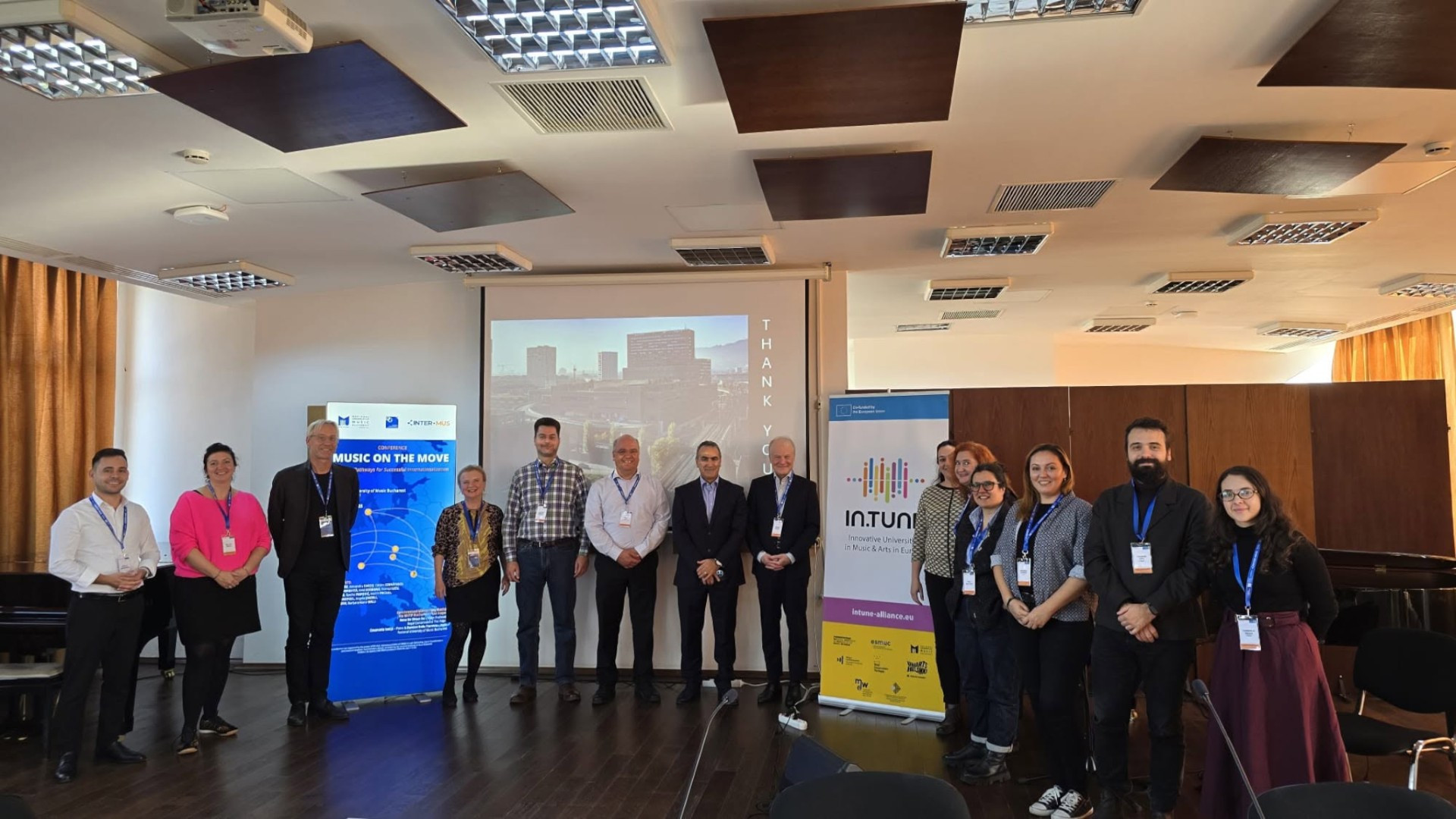
ZHdK’s Music Department maintains close relationships with the majority of the members of the IN.TUNE Alliance, particularly the Conservatoire National Supérieur de Musique et de Danse de Paris; the Sibelius Academy (Uniarts Helsinki); mdw – University of Music and Performing Arts Vienna; ESMUC – Escola Superior de Música de Catalunya; and the University of the Arts The Hague. In 2025, Cobus Swanepoel, Head of Interpretation & Performance participated in an IN.TUNE symposium in Bucharest, where he presented ZHdK’s internationalisation activities and outreach. The Bucharest symposium provided an opportunity to strengthen existing relationships with IN.TUNE members and to explore shared areas of interest.
European University Alliances are an important instrument for connecting universities closely with current developments, networks and new funding opportunities within the European research, innovation and higher education landscape. They bring together education, research, innovation, mobility, talent development and institutional development in long-term cooperation structures.
20 Years ICST: Research, Artistic Practice, and Education – A Global Hub of Innovation
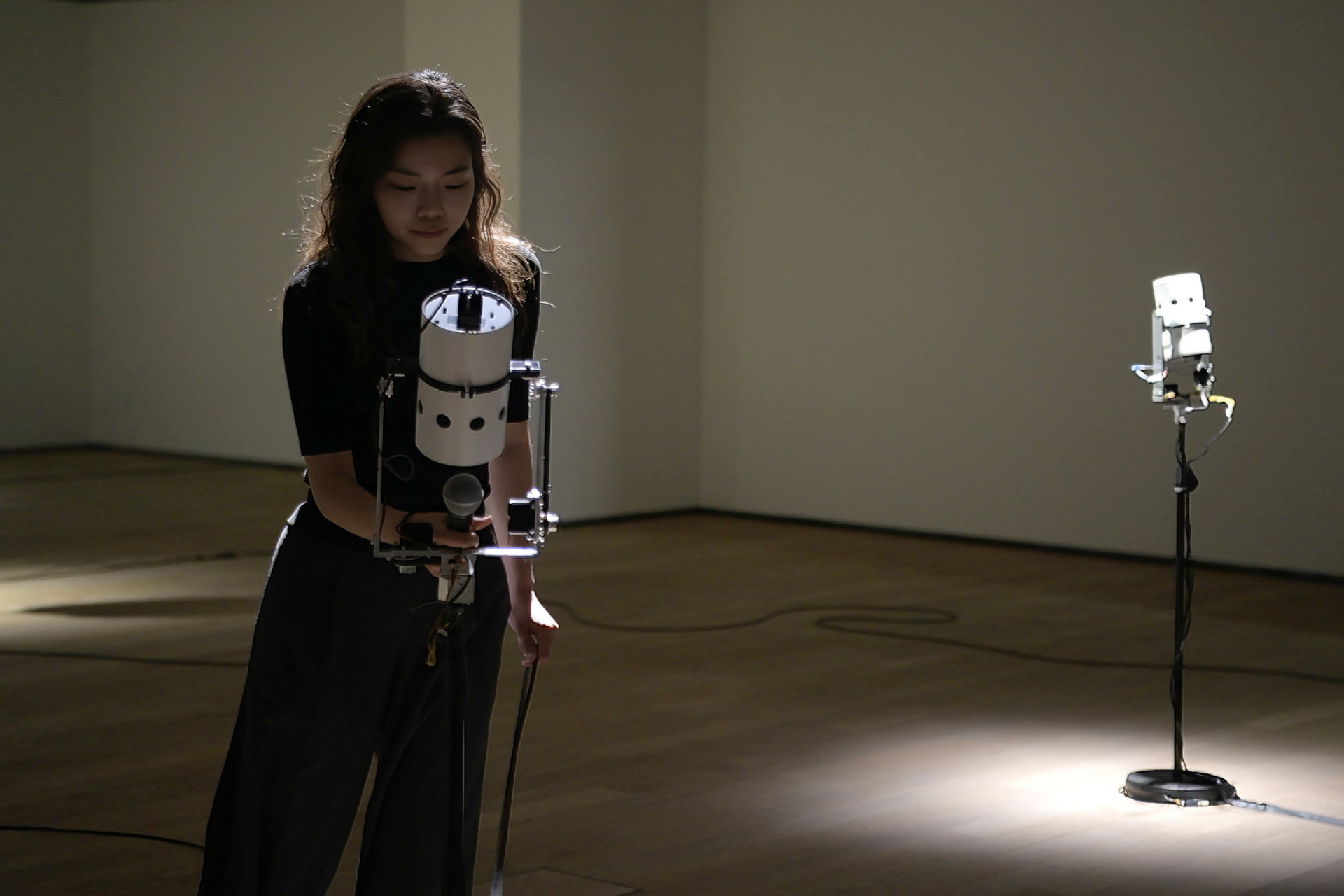
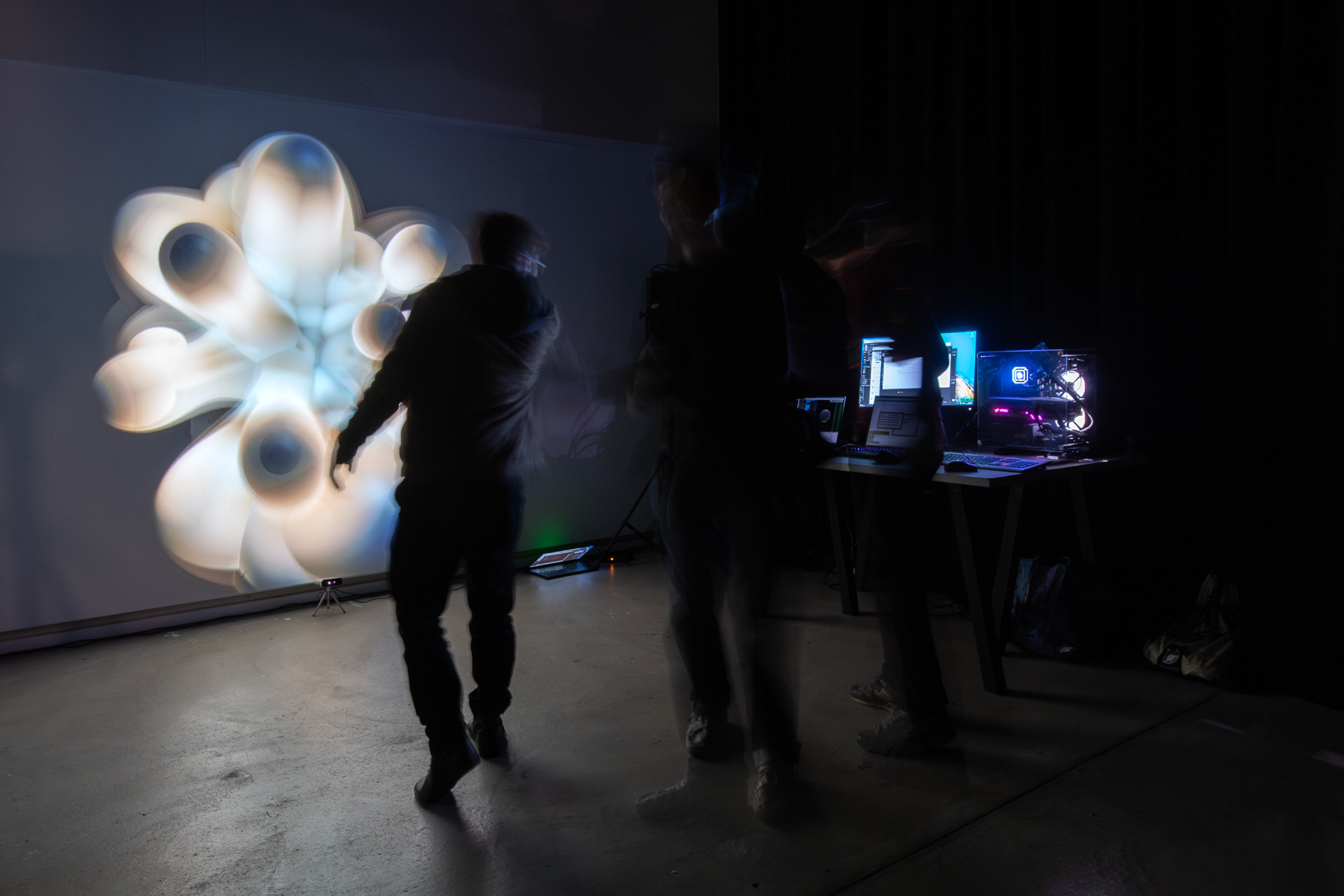
In 2025, ZHdK’s Institute for Computer Music and Sound Technology (ICST) marked its 20th anniversary, reaffirming its position as a globally recognised centre of excellence at the intersection of music, technology, and research. From its origins in the Swiss Centre for Computer Music, the ICST has evolved into a leading international platform for artistic and scientific exchange.
A key driver of the institute’s global reputation has been its pioneering work in Ambisonics, which enables advanced three-dimensional audio recording and reproduction. These technologies have been adopted internationally, establishing the ICST as a reference point for experts and ensuring its regular presence at major international artistic and scientific venues.
National and international collaboration is central to ICST’s research profile. Its research in audio-haptics, which explored vibrotactile feedback for digital musical instruments, resulted in numerous publications, including the internationally acclaimed book “Musical Haptics”, co-edited at ICST, and has fostered a lasting partnership with the University of Udine, Italy. The research on the performance practice of electroacoustic music has set new standards for the exchange between performers, composers, and musicologists. Conducted across three consecutive projects, it established a wide international network of research and production centres, ensembles, archives and publishers and led to several artistic and scientific publications and events.
The ICST’s Artist-in-Residence Programme further strengthens its reach, attracting renowned practitioners from across the world. Residents work closely with ICST researchers to develop new practices, opening up perspectives for both art and research.
Looking ahead, partnerships such as the “Immersive Models” project with ETH Zurich underscore the ICST’s commitment to shaping emerging fields of sound and spatial design. As it enters its third decade, the ICST continues to position itself as a key contributor to the global discourse in art, science, and technology.