Interdisciplinary Highlights
Shared Campus Summer School: Hacking Global Pop Icons
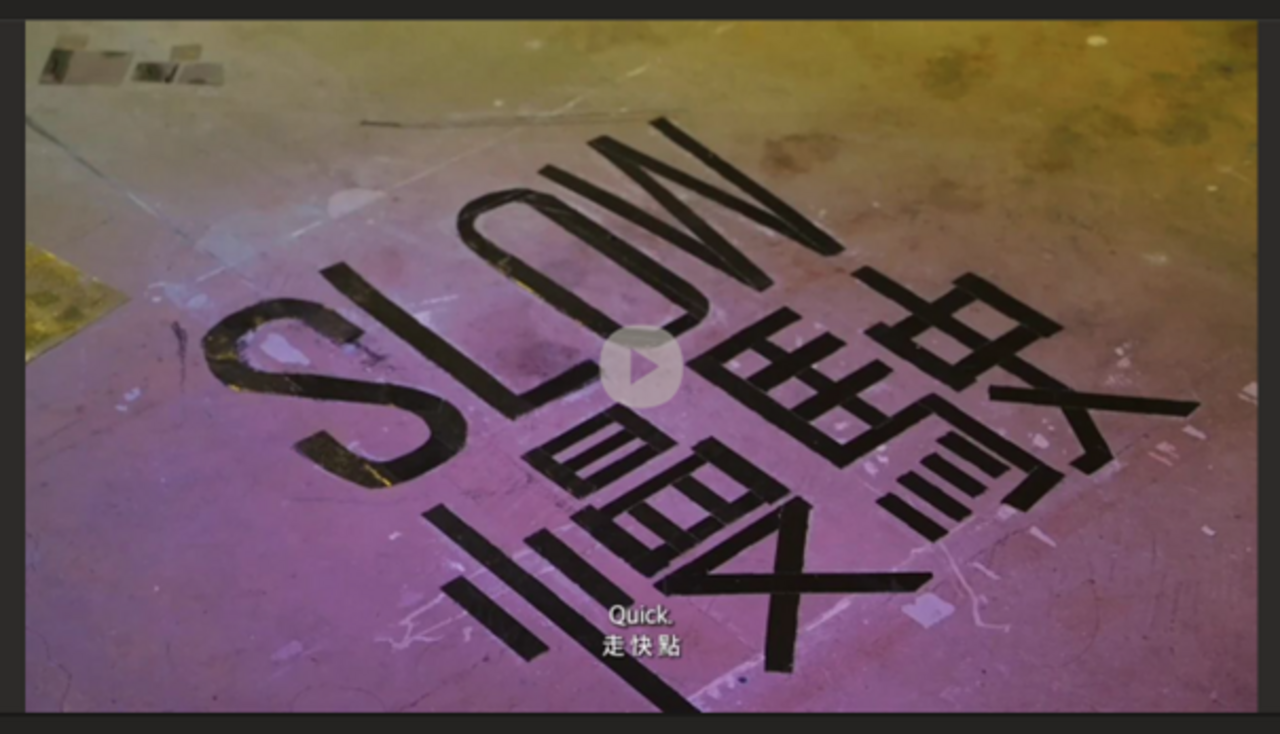
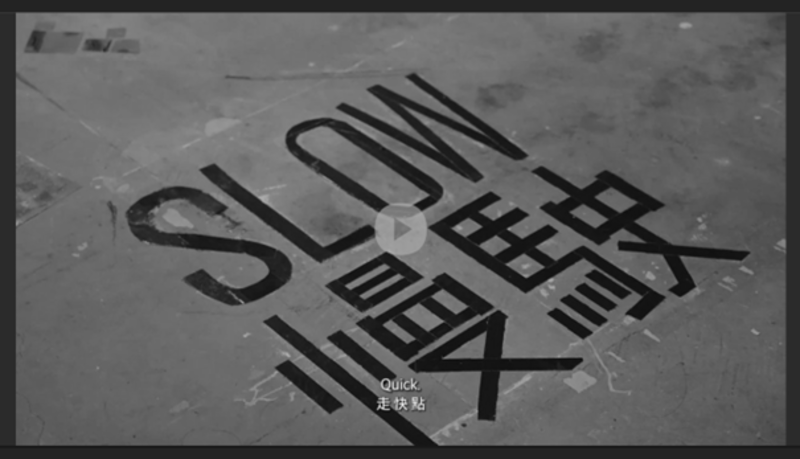
For the 6th edition of the Shared Campus Summer School ‘Hacking Global Pop Icons’, 22 students from Shared Campus partner universities came together to explore the global phenomenon of ‘Slow Life’. It was the first time the summer school was physically held in Hong Kong- a fast-paced city, which only seemingly stood in contrast to the students chosen topic.
Over the course of three weeks, the participating students successfully managed to set up a pop-up event and exhibition, showcasing the result of their creative work. The event attracted hundreds of attendees and received overwhelmingly positive feedback. Maintaining a practice-based approach, the students collaborated in culturally and disciplinary mixed groups spanning a broad spectrum of disciplines (fine arts, performing arts, film, pop and classic music, design, and curation) for their cultural analysis. Input from faculty and guest speakers, as well as workshops and excursions relating to the theme of ‘Slow Life’ complement the student’s programme. In addition, students also had the opportunity to explore the transdisciplinary work at the HKBU's Visualization Research Centre (VRC) which conducts projects at the intersection of immersive interactive visualisation, aesthetics, culture and computer science.
> Watch the film of the exhibition in Hong Kong below
A Glocal Network Supporting Interdisciplinary Residencies
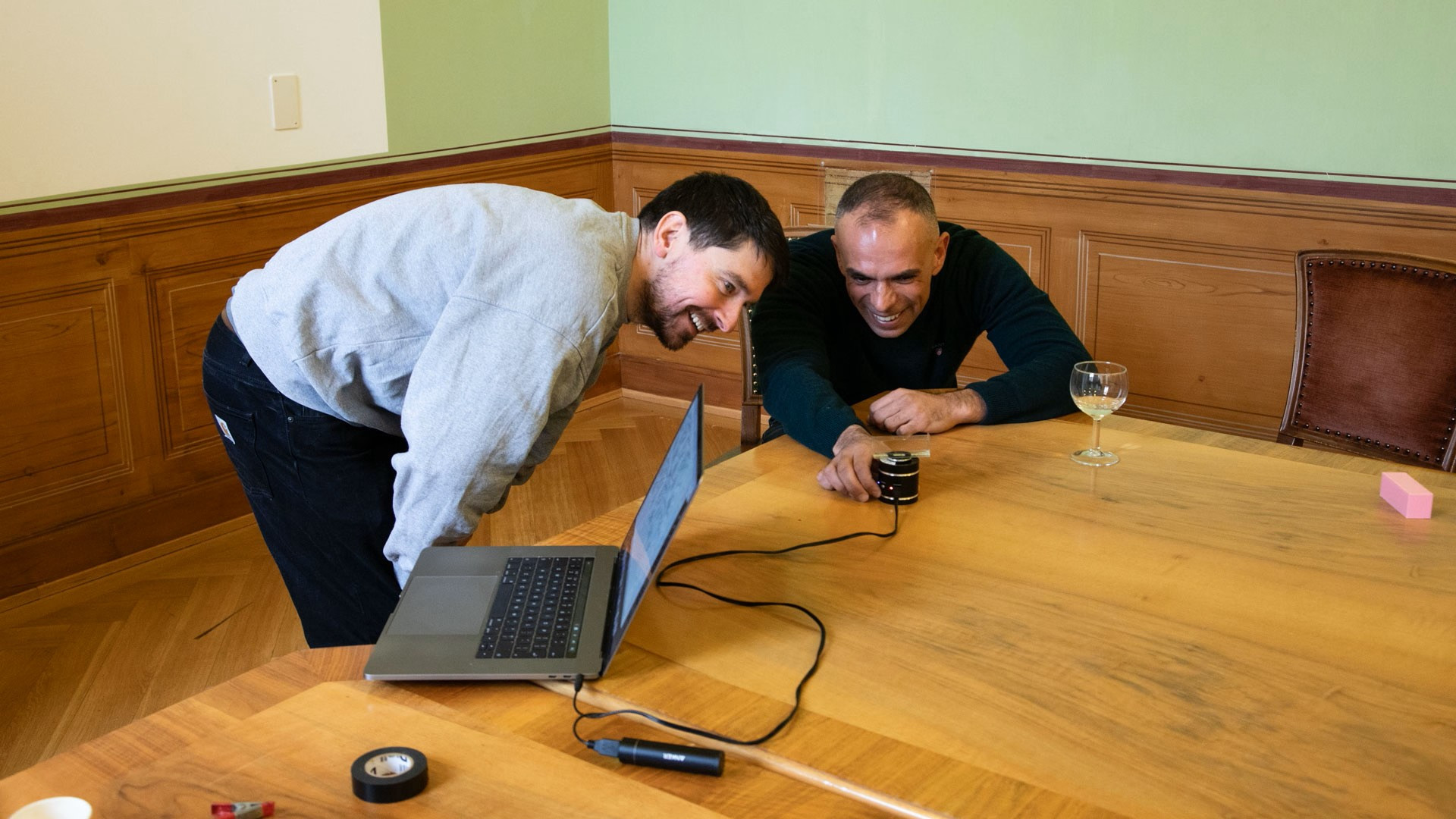
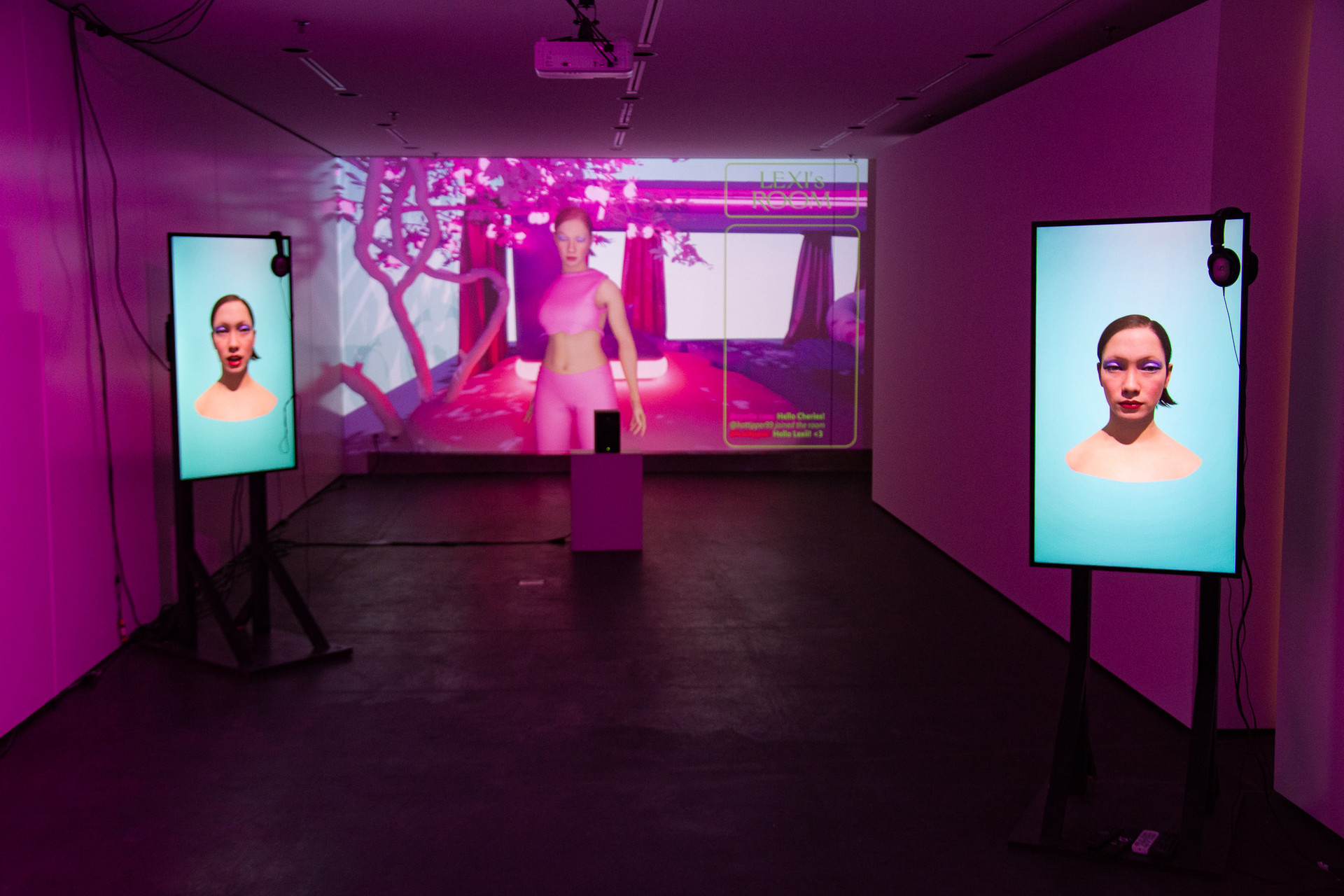
People increasingly interact with technologies such as wearable sensors, VR/AR headsets or other data gathering systems on an intimate, bodily level. Yet, there is still a gap in social-technical literacy, barriers to understanding and mystification of these technologies. The project ‘Bodies, Machines, Publics’ seeks to understand the complexity, history and diversity of sensing technologies beyond Silicon Valley imaginaries.
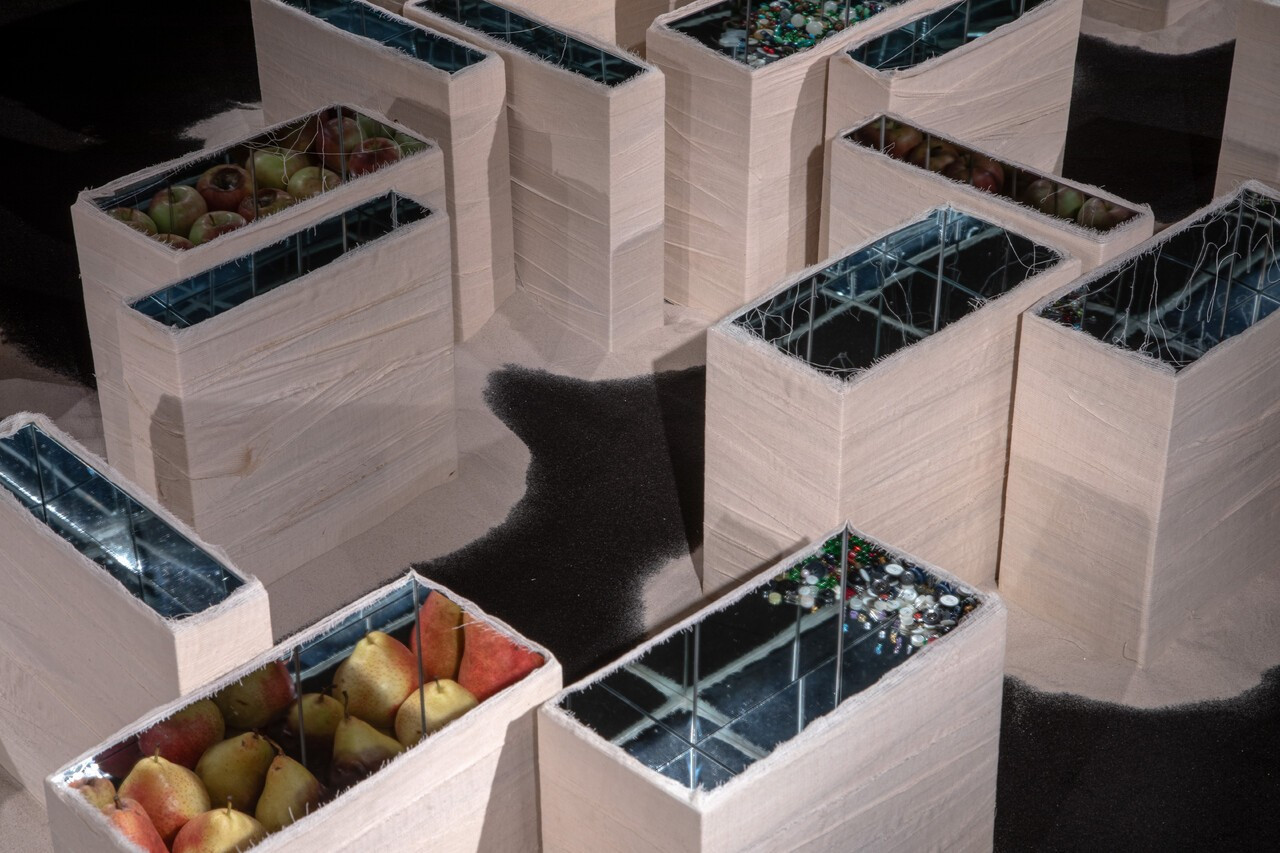
Launched in 2024 by ZHdK’s Immersive Arts Space (IAS), ‘Bodies, Machines, Publics’ is a two-year project in collaboration with NAVE (Chile), KHOJ Studios (India) and Kornhausforum (Bern, Switzerland) and supported by the Pro Helvetia Synergies Program. Eleven emerging artists from Switzerland, Chile and India were invited to develop individual approaches on the interaction with sensing machines through the long-evolved human senses. Under the guidance of research associates and benefitting from the technological infrastructure of the IAS, their work revealed historical inequalities, particularly affecting marginalised groups. The artistic outcomes and research findings will be presented in form of a mini festival at Kornhausforum in Berne in February 2026.
Collegium Helveticum: International Artists and Scientists Cooperate Across Disciplines
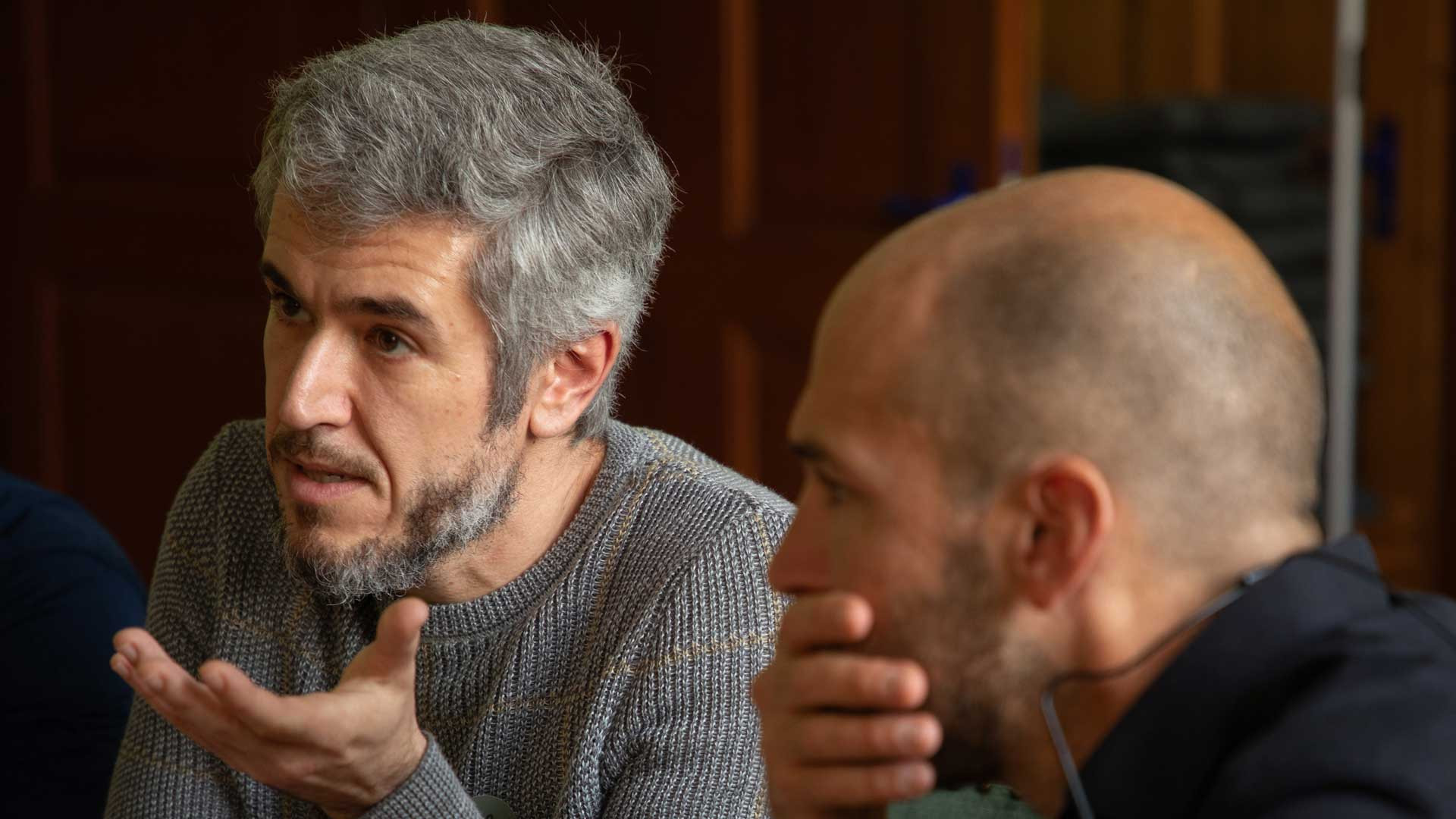
ZHdK has a long tradition of promoting interdisciplinary research. A good example of how this forward-looking and cross-border approach has materialised can be found in ZHdK’s sponsorship of Collegium Helveticum. Jointly supported by ETH Zurich, the University of Zurich, and ZHdK, Collegium Helveticum is an institute for advanced studys, offering fellowship and event programmes that bring international artists and scientists from a wide range of disciplines together. The Collegium's fellowships create a unique environment for interdisciplinary exchange and collaboration, thereby opening up possibilities to reflect on major challenges of our time. The institutionalisation of this partnership has strengthened ZHdK position as a research hub where art, research, technology and social discourse productively intersect.
While new fellow cohorts emerge with each fellowship year, the Collegium is a growing community of fellows. The resulting international network with diverse backgrounds, perspectives, and disciplines brings tangible benefits to the fellows and the local academic ecosystem. In the years 2023/2024 and 2024/2025, a total of 10 research fellows from artistic disciplines were supported by the programme. Further details can be found on the Collegium Heleveticum website under ‘fellows’.
More about ZHdK’s involvement in Collegium Helveticum can be found in an editorial of the 2024 Research Report: Collegium Helveticum – Ein Ort des Austauschs zwischen den Disziplinen | ZHdK.ch.