Túnel del viento in Puerto Rico
New Wind Tunnel for Para la Naturaleza, Puerto Rico (since December 2025)
In December 2025, Para la Naturaleza opened the new «Centro de Percepción y Emisión de Señales» (“Center for the Perception and Emission of Signals”) in the lighthouse of its «Cabezas de San Juan» nature reserve (https://www.paralanaturaleza.org/centros/cabezas-san-juan). The center was developed in collaboration with the Research Focus Transdisciplinarity (fsp-t) since 2023.
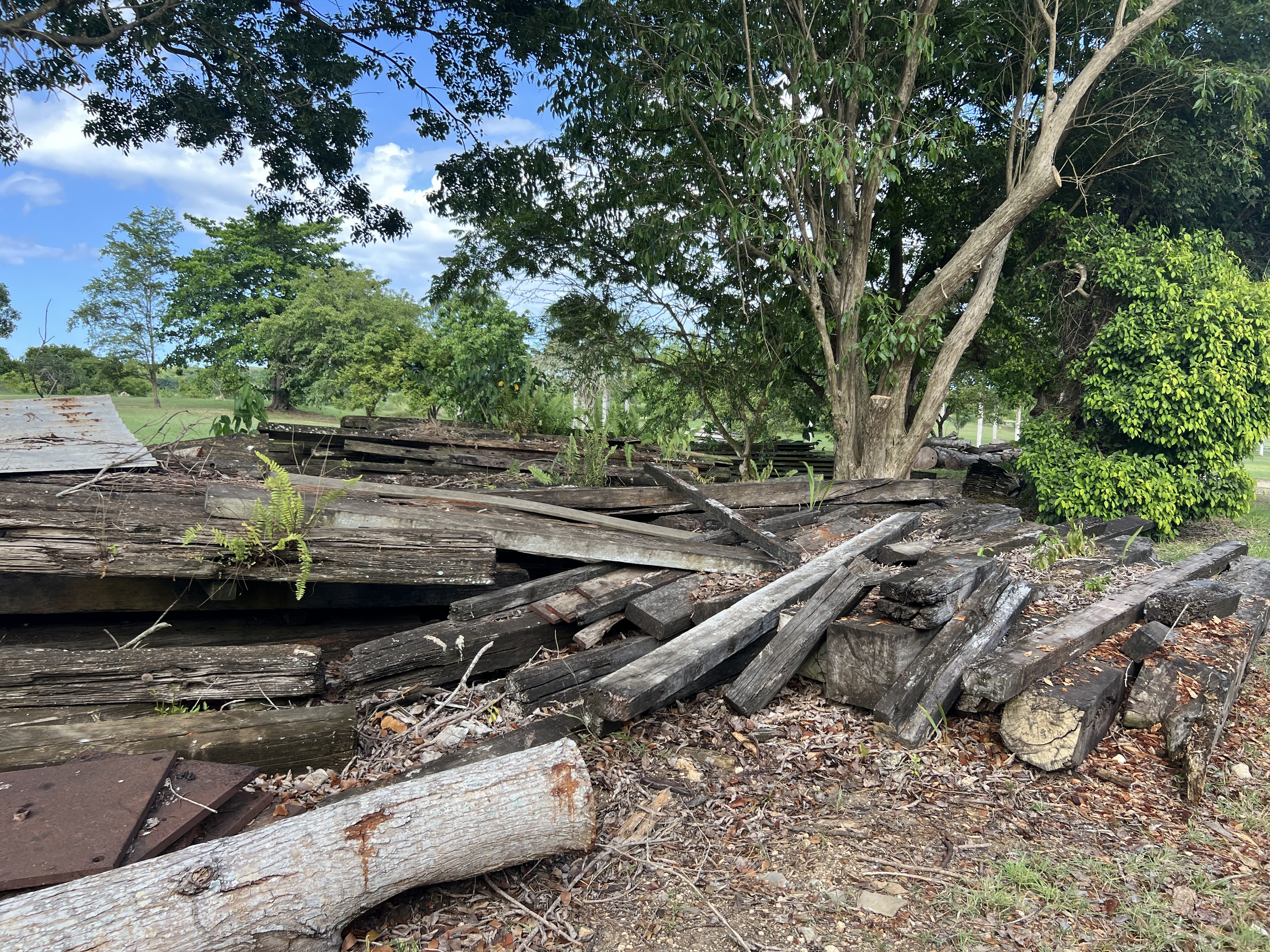
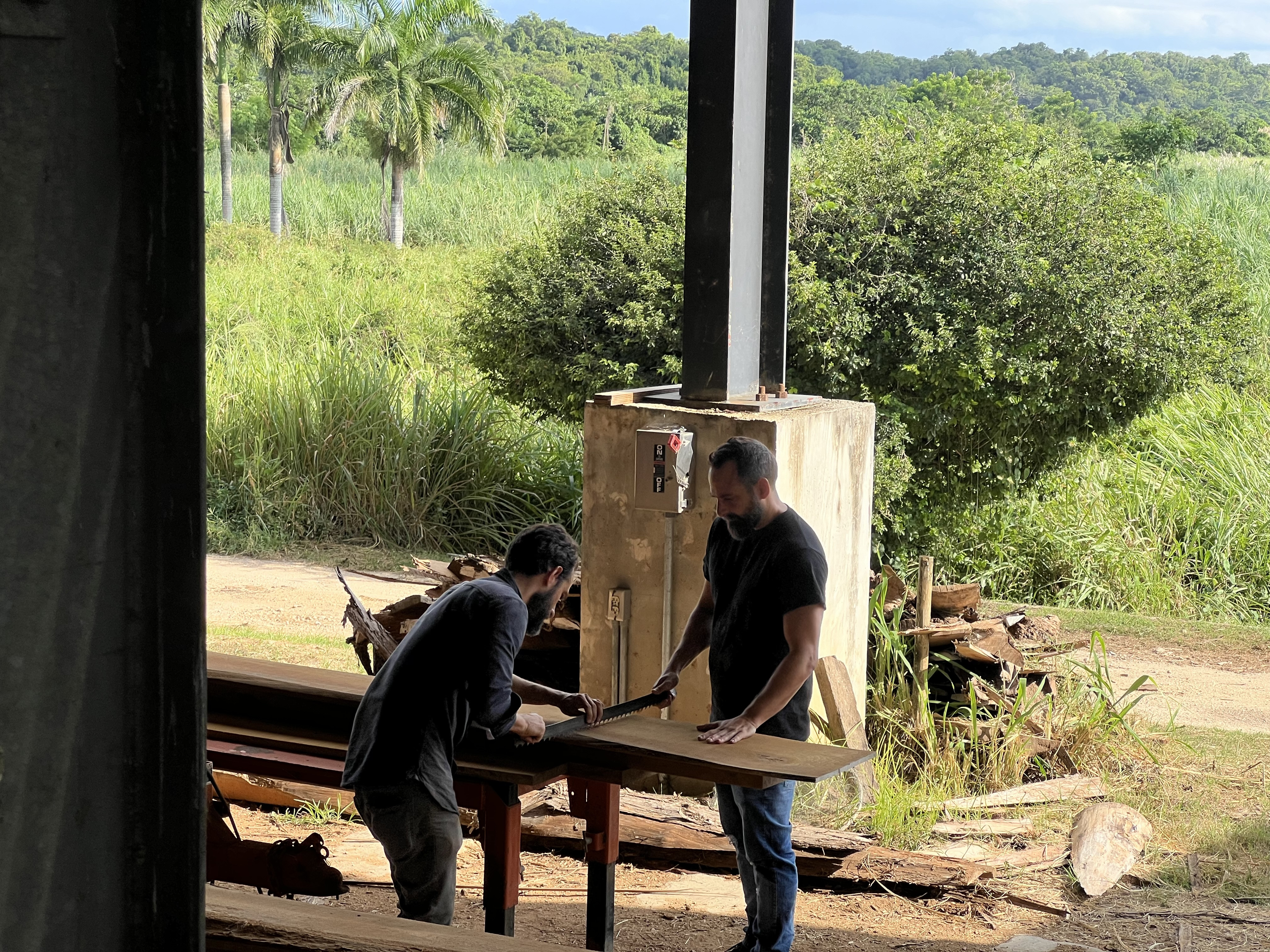
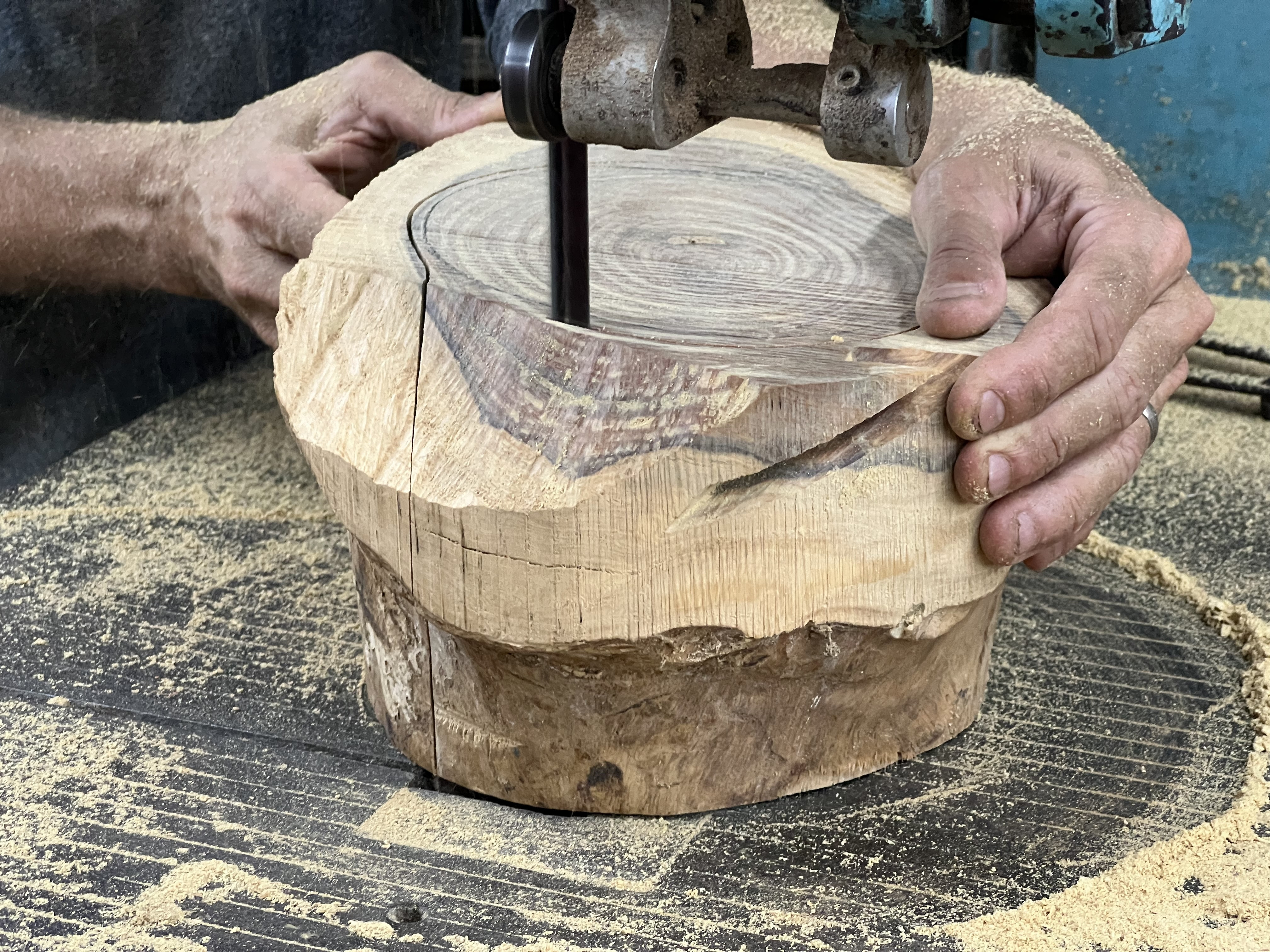
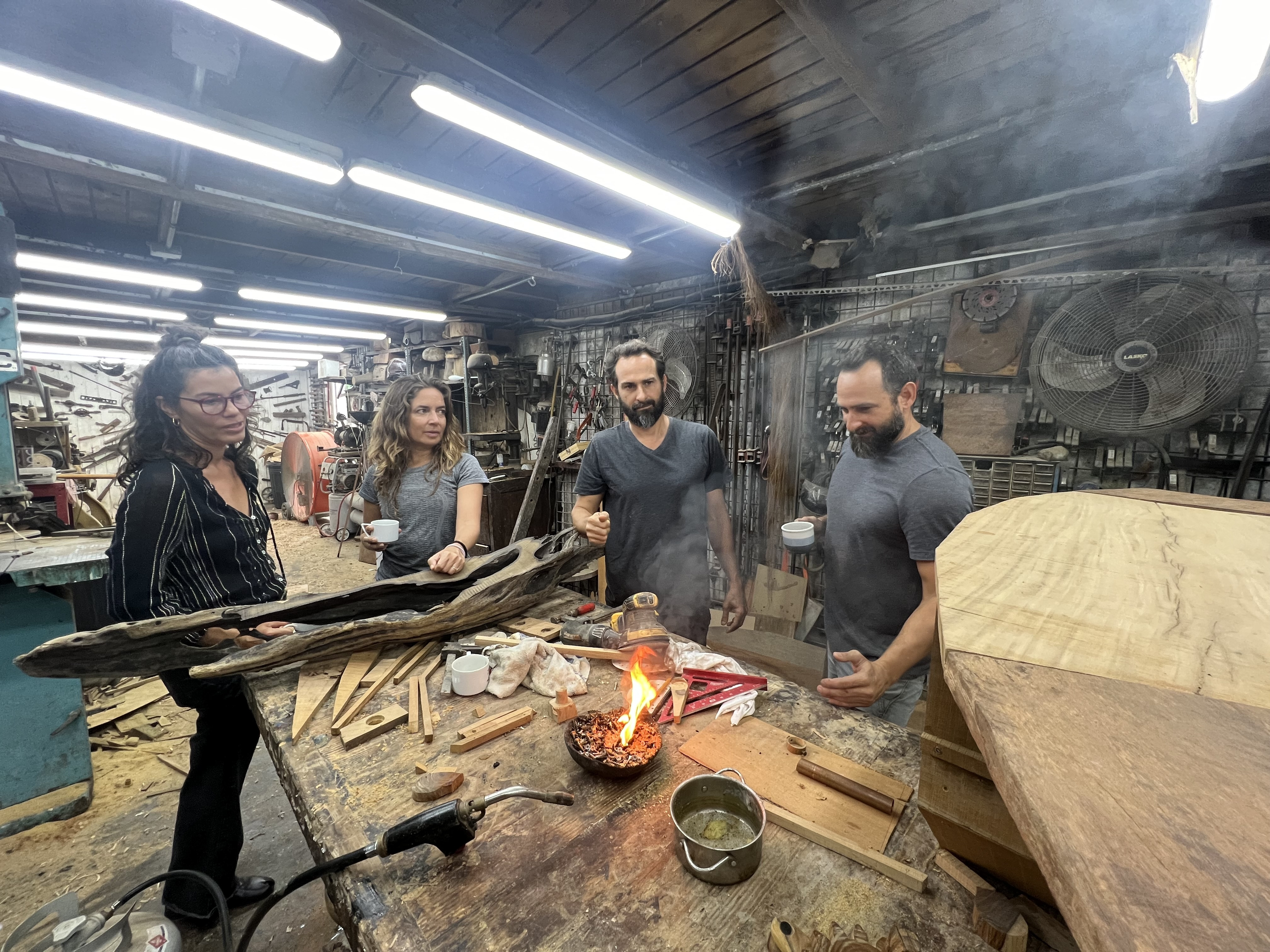
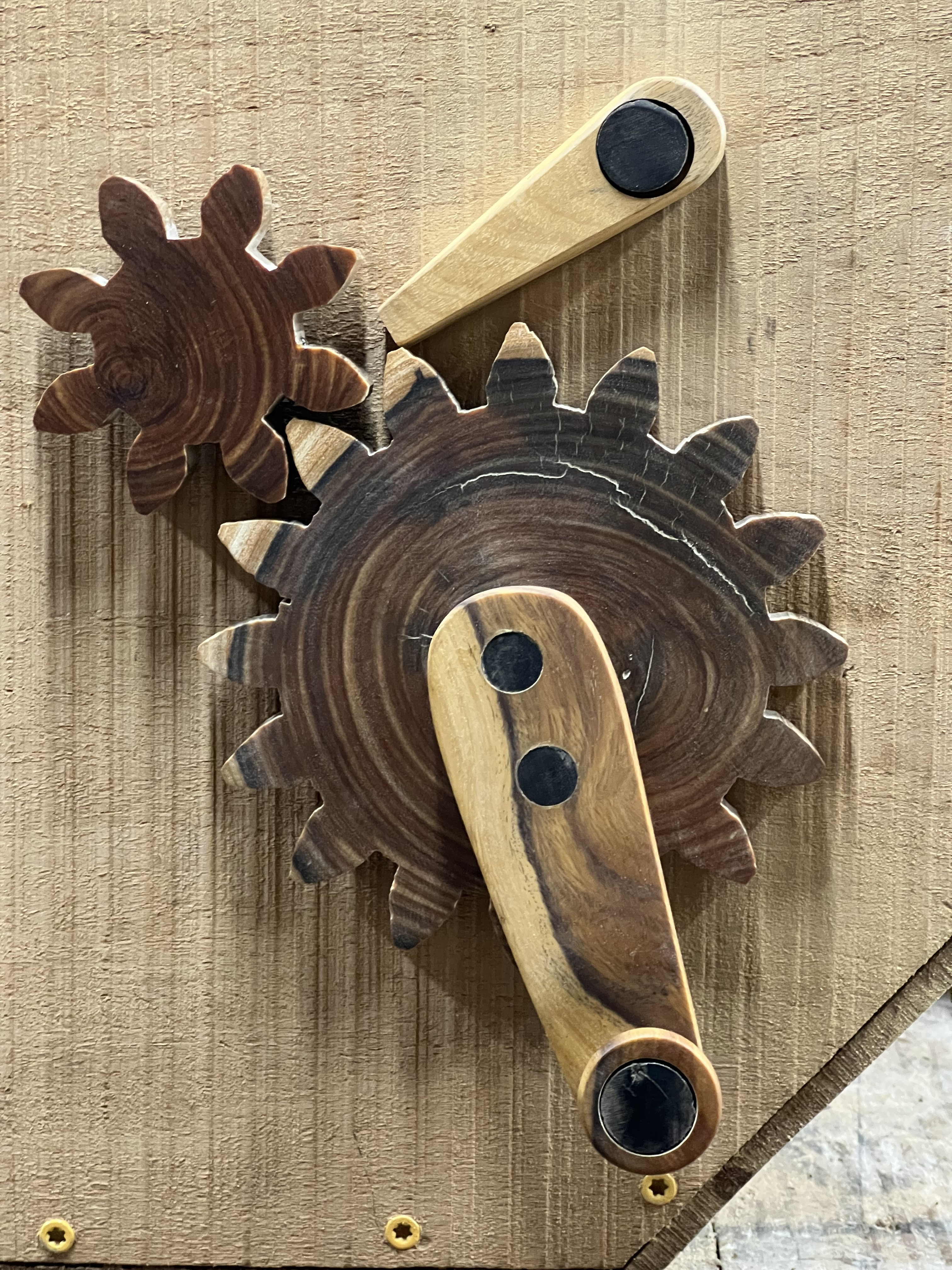
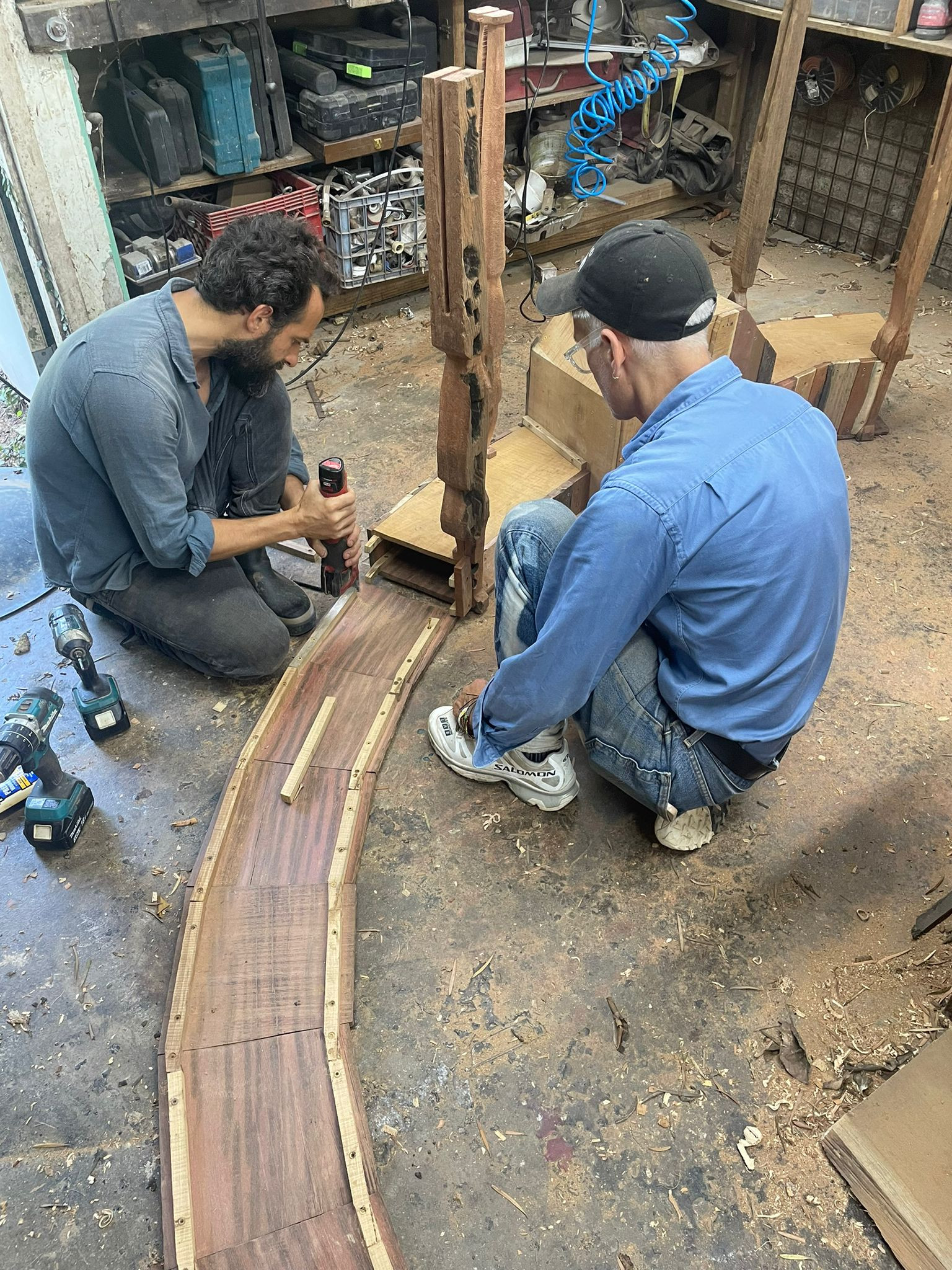
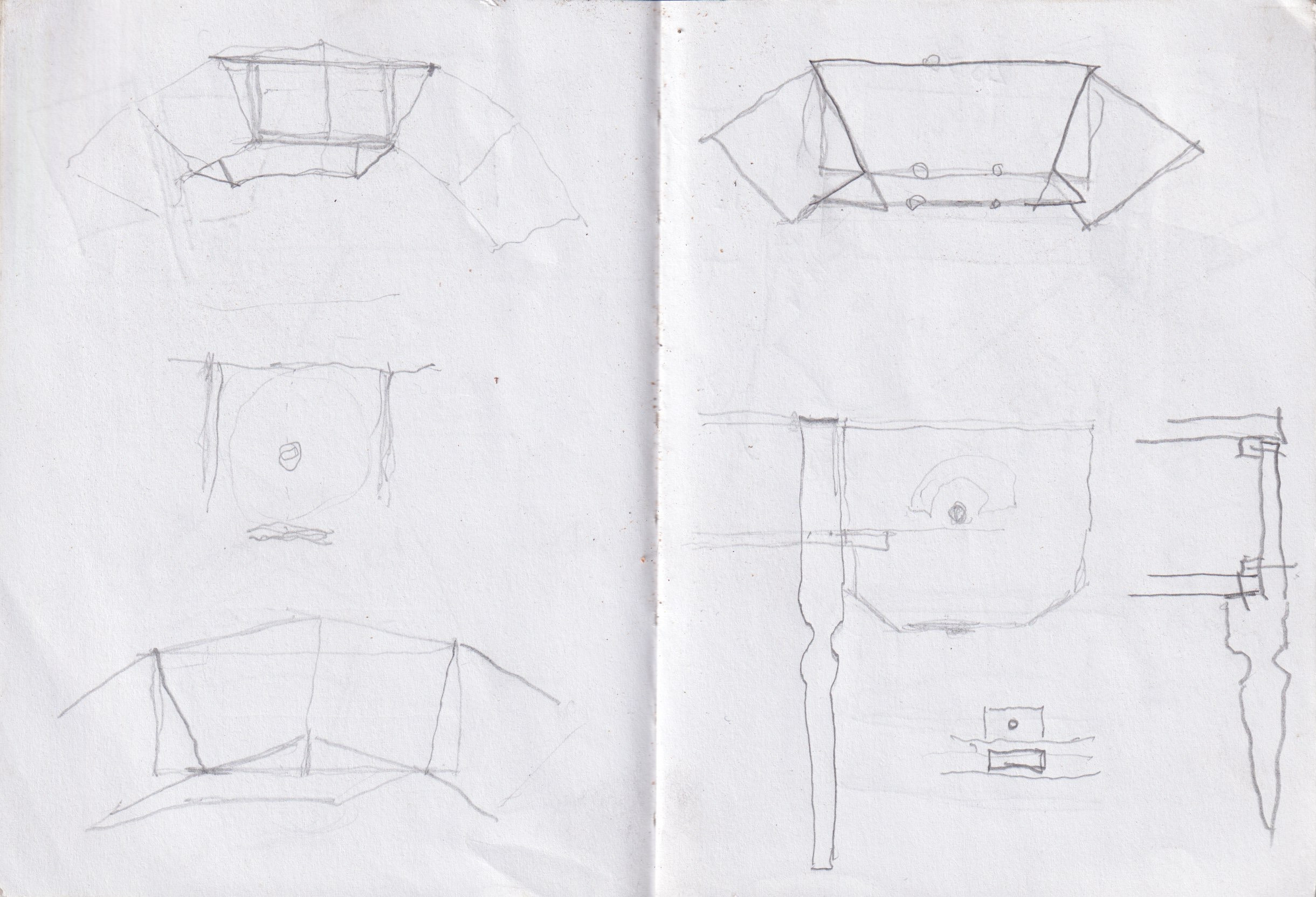
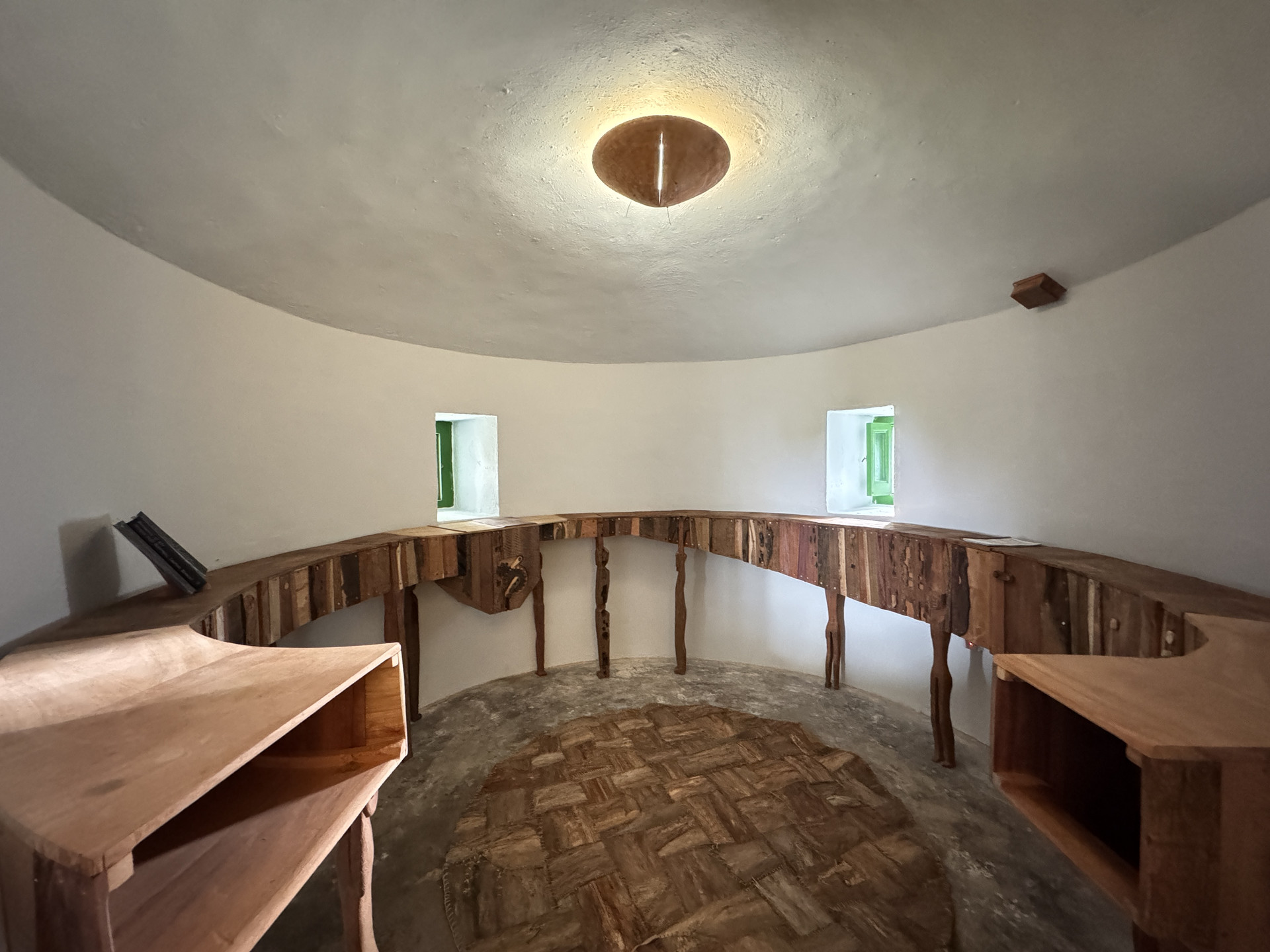
As part of the opening, a new Wind Tunnel was inaugurated, a permanent artistic installation by Florian Dombois, Ale Hertell, Javier Suárez, and Jaime Suárez. The hand-operated tunnel, the size of a piece of furniture, was constructed from numerous rare woods that Para la Naturaleza had collected over many years—from colonial-era houses and from the debris left by Hurricane Maria—including guayacán, ausubo, teak, and others. These are historically charged materials whose tree rings date back to the time before the arrival of Columbus.
The «Túnel de viento» invites visitors to study the invisible, whether atmospheric phenomena, the agency of woods from the colonial period, or archaeological reminiscences.
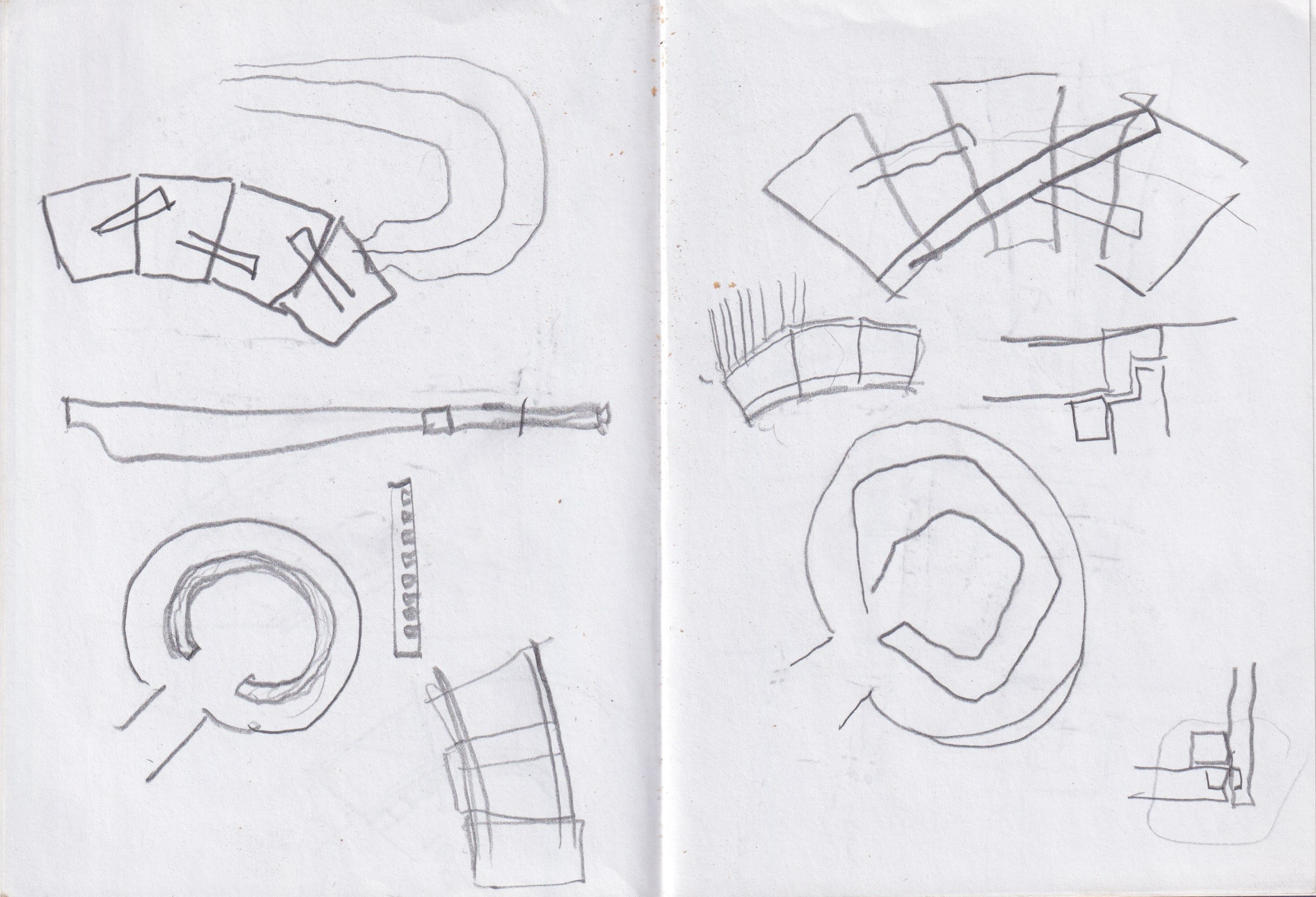
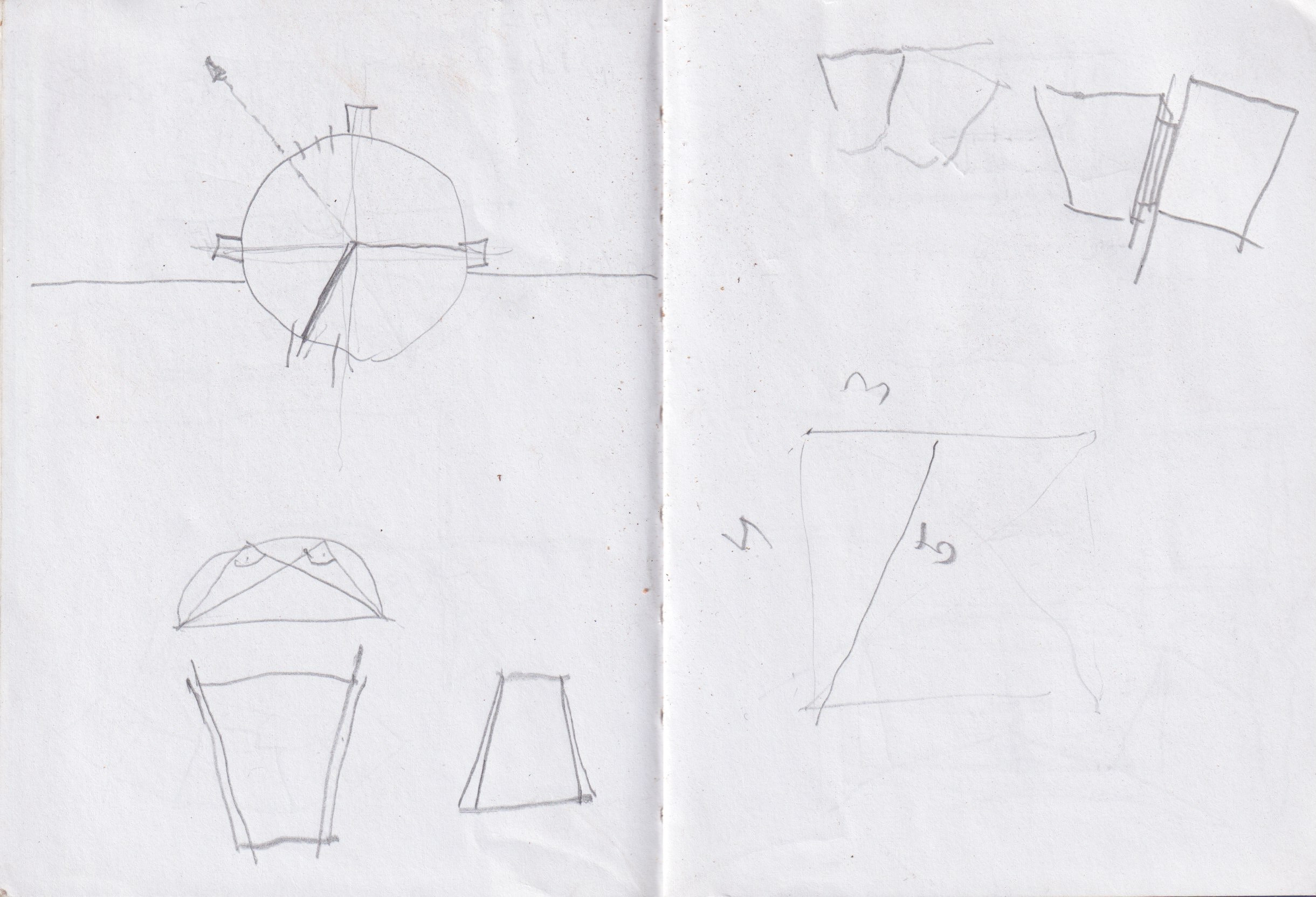
The Wind Tunnel is located in the former oil chamber of the lighthouse, originally built to supply the energy for the beacon directly above it. It is designed as a circular piece of furniture that follows the round geometry of the lighthouse, which forms the center of the entire building. The fan is oriented toward the northeast, while the testing area is located on the western side. The fan is operated by a hand crank and a set of gears, allowing visitors to control the wind speed themselves by turning the crank. The focus here is on slow winds, so only gentle cranking is required.
It is a place of contemplation, furnished with a carpet so that visitors can sit down.
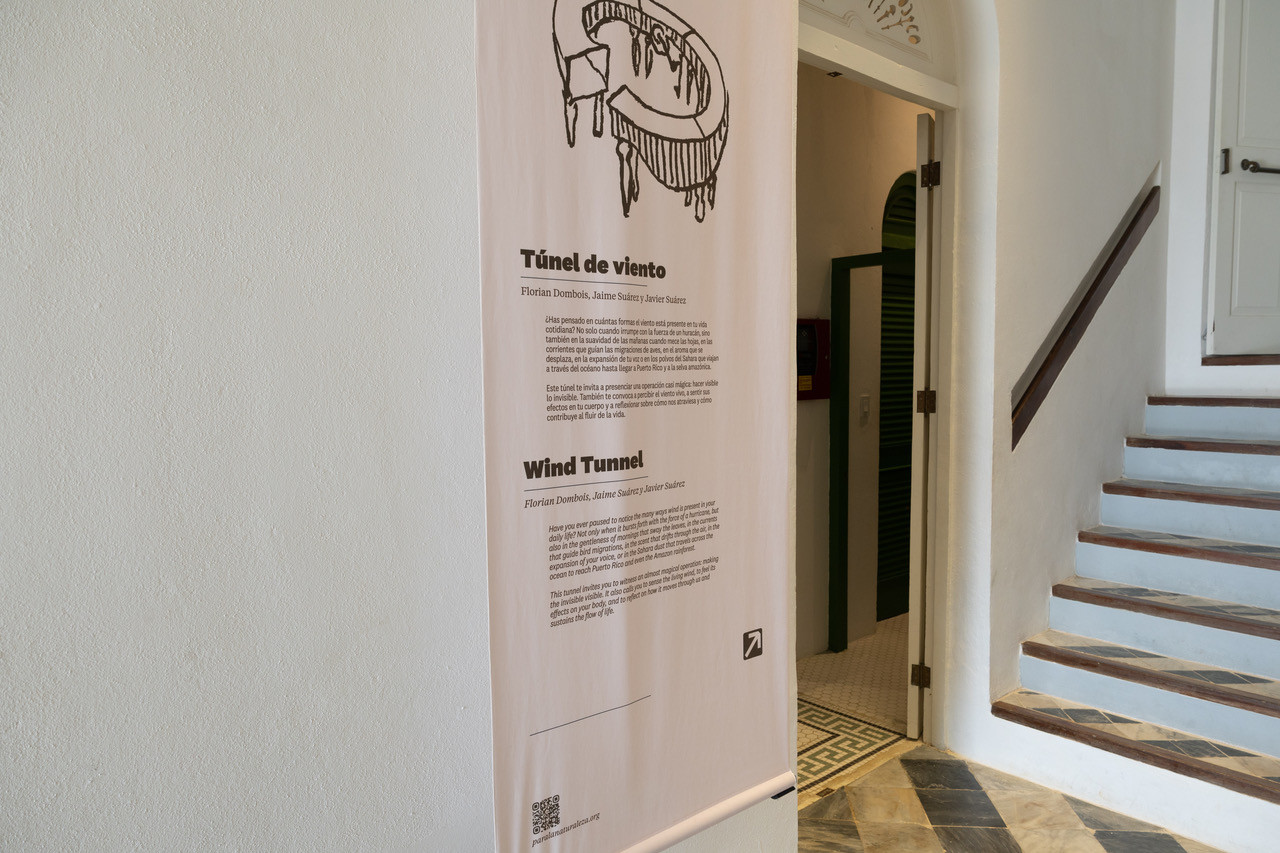
In Context: Situated in the Cabezas de San Juan Nature Reserve
The historic Cabezas de San Juan Lighthouse has been transformed into a place of exchange and encounter—a space that invites visitors to see and hear the landscape, biodiversity, and cultural heritage in new ways. At its core are four new exhibitions that reimagine the lighthouse as a living archive and as a platform for both creative and scientific inquiry. Visitors are invited to explore the space and engage with perspectives that are at once playful and profound, encouraging reflection on contemporary approaches to nature conservation.
Situated within a nature reserve that is continually exposed to powerful natural forces, the Wind Tunnel is more than a metaphor for the many ways in which wind shapes the everyday lives of people and their environment. At the «Centro de Percepción y Emisión de Señales», it creates the conditions for a more-than-human, situated engagement with wind—one that is at once critically discursive and embodied.
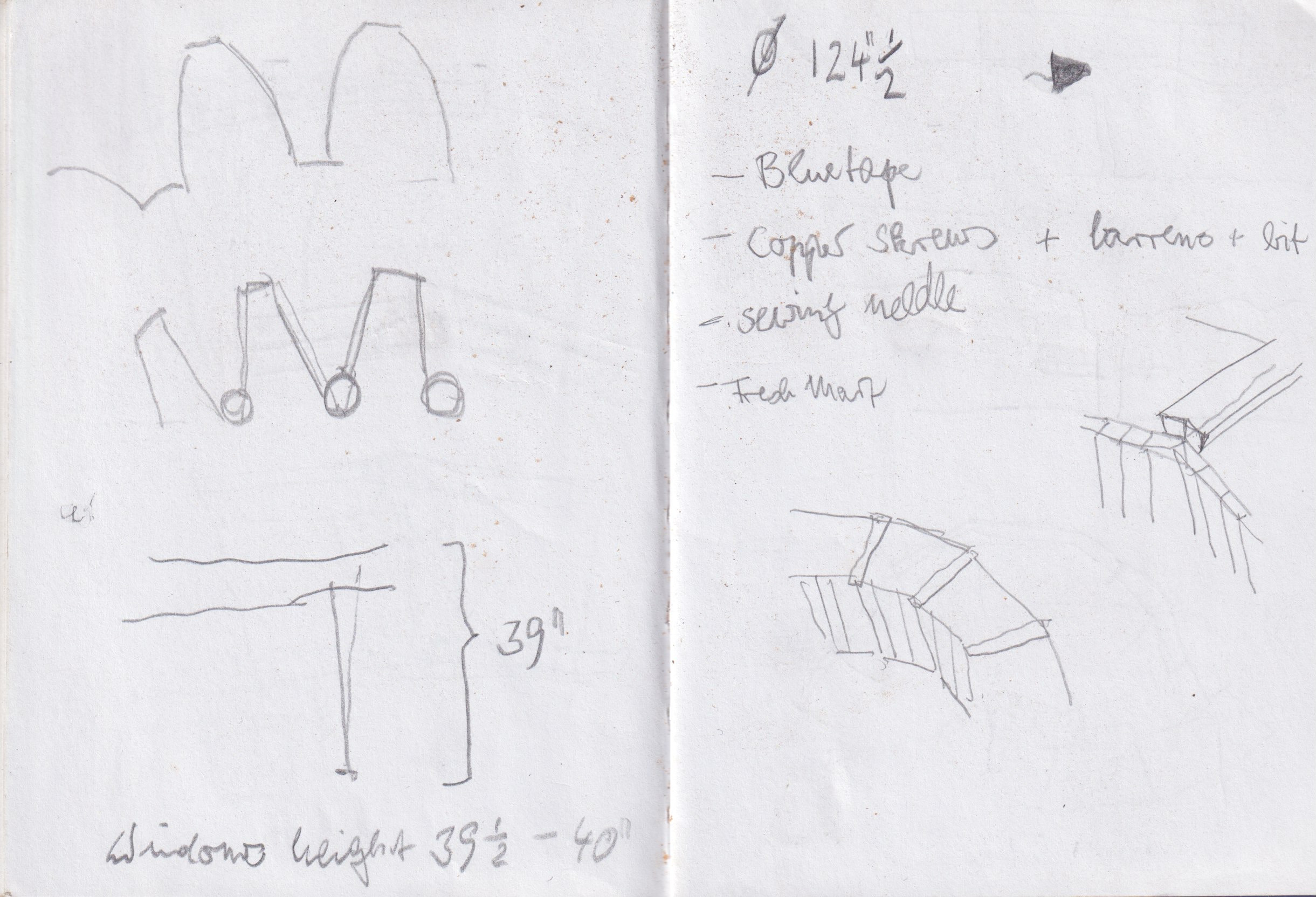
The former fuel chamber is located about three feet below ground level, meaning that the Wind Tunnel itself lies underground. This evokes the region's early human settlements in Las Cabezas de San Juan, whether those of the Taíno or even earlier cultures. One technical detail reflects this layered history: both centimetres and feet were used in the construction drawings—a combination found throughout the lighthouse that recalls its two colonial legacies, the Spanish (metric) and the American (imperial) systems of measurement.
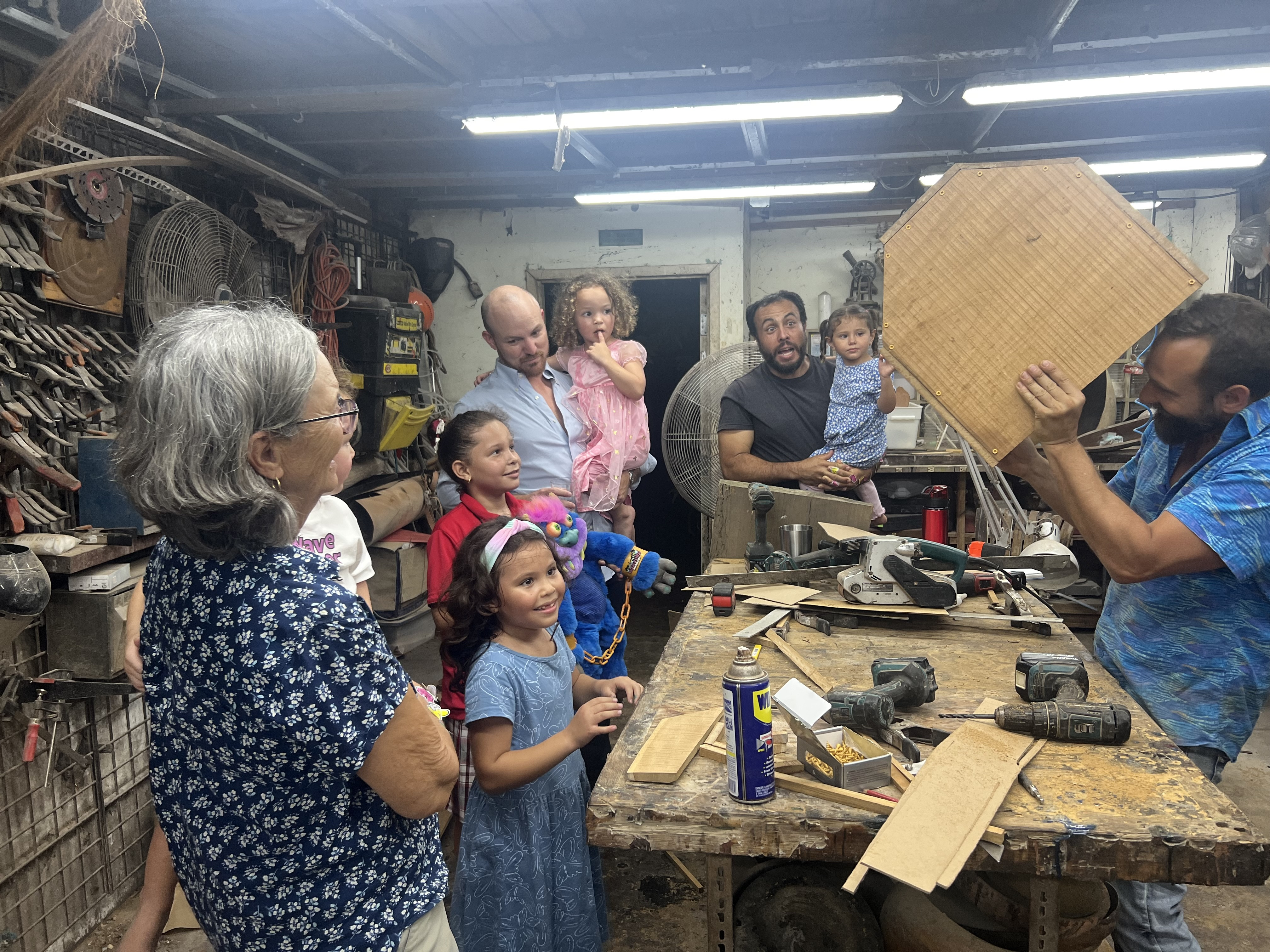
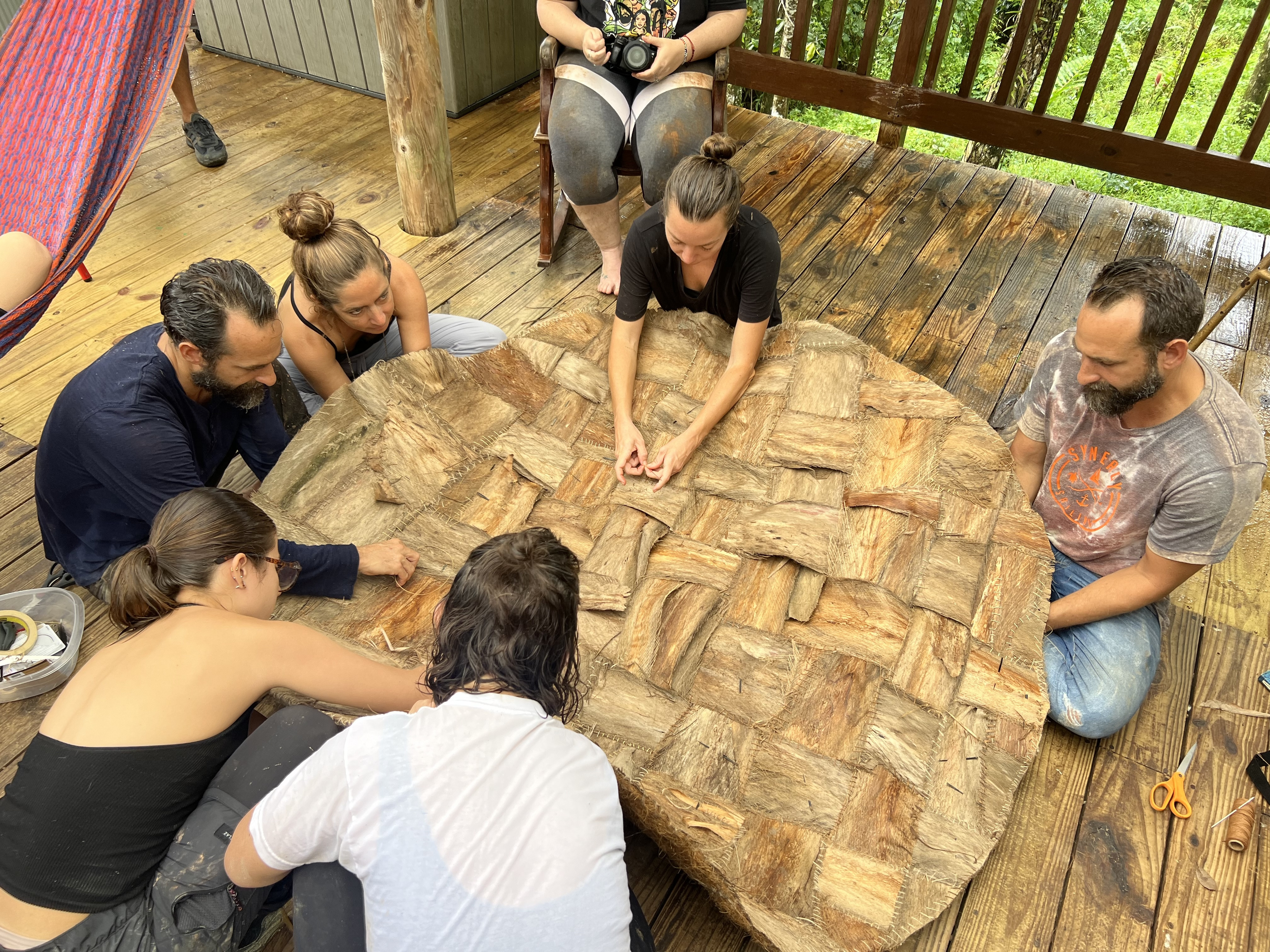
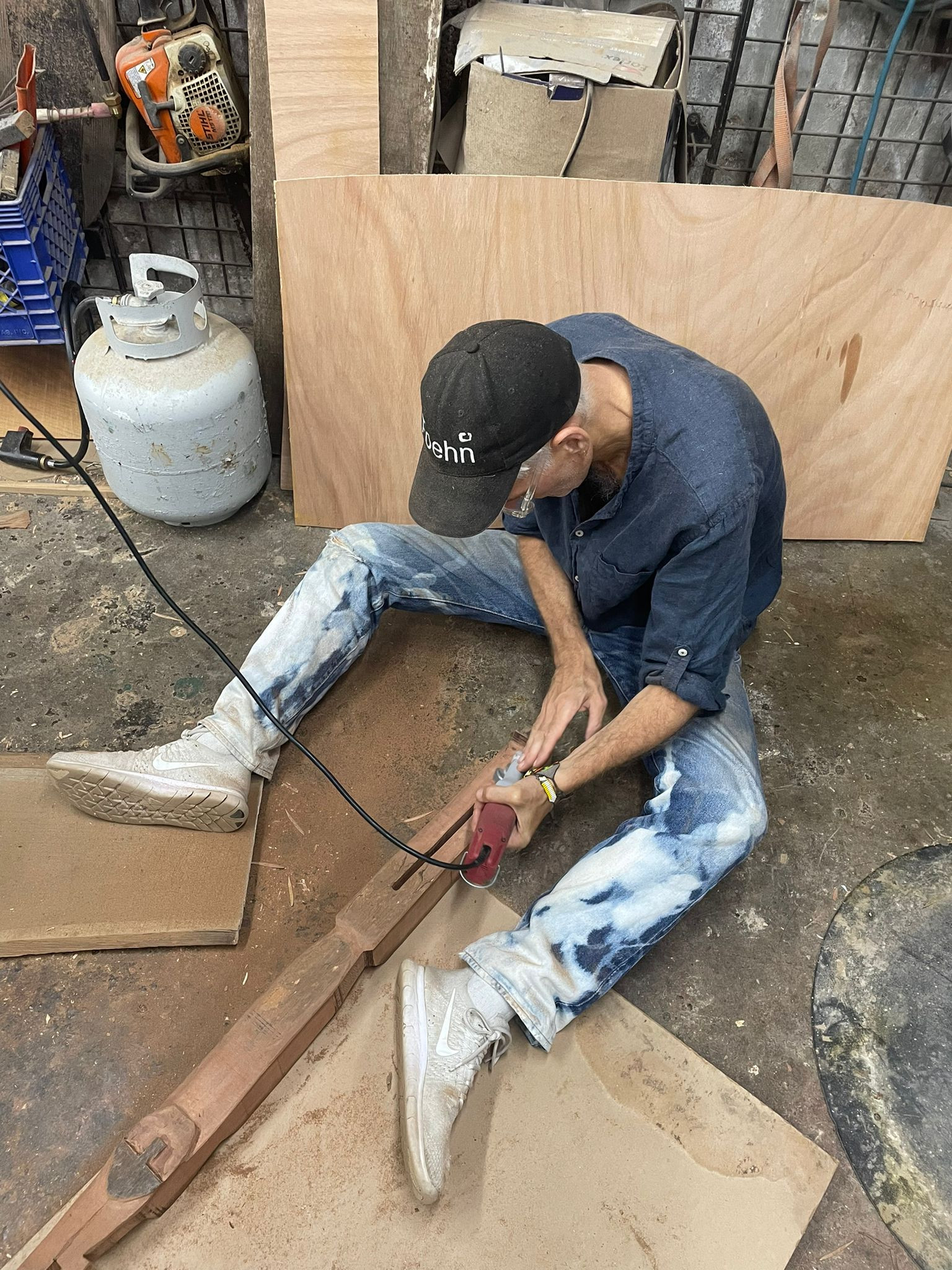
The Wind Tunnel is an artistic concept that takes on different forms and meanings depending on its material and immaterial context, as well as on the people who build it. Many factors shape its final form: the materials available, which required the artists to adapt dimensions and geometries; the creative process itself; and the people encountered along the way who contributed to the project. It is a field of forces and influences through which we navigated its making.
Every Wind Tunnel has a variable diameter along the direction of airflow in order to control turbulence. This Wind Tunnel, however, changes only on one side, making it appear like half of a wind tunnel—leaving its upper half to be imagined.
The Wind Tunnel in the lighthouse is the first to be built in a region affected by hurricanes. It therefore seems entirely fitting to leave space above the tunnel for imagination and thought, does it not?
Text: Excerpts from the Para la Naturaleza website and the accompanying booklet (see links listed below).
Túnel del viento Booklet: PDF